Museums & galleries in Saint Petersburg
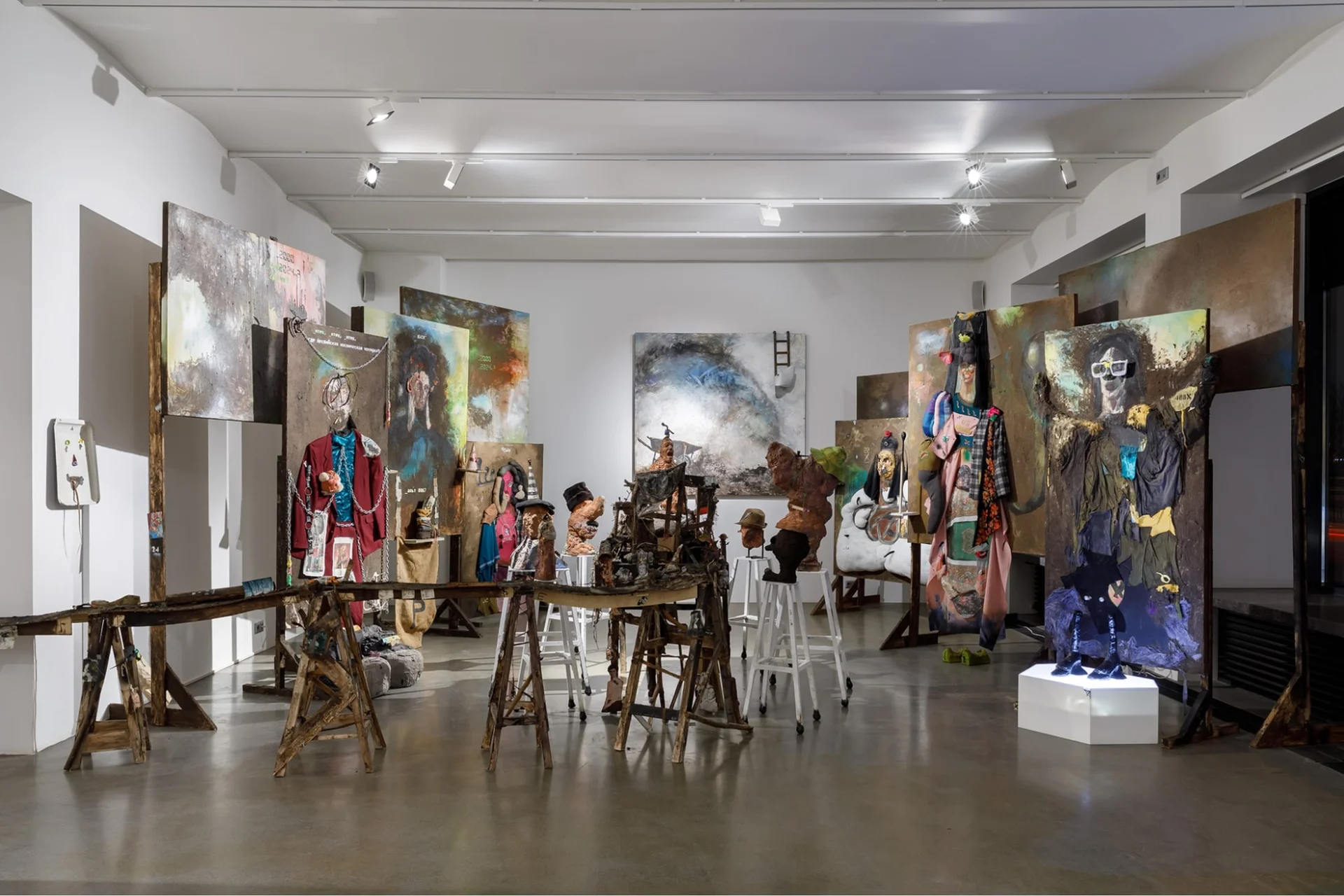
A unique space dedicated to contemporary art and experimental culture. The gallery organizes exhibitions, performances, and cultural events, focusing on experimental forms and techniques.
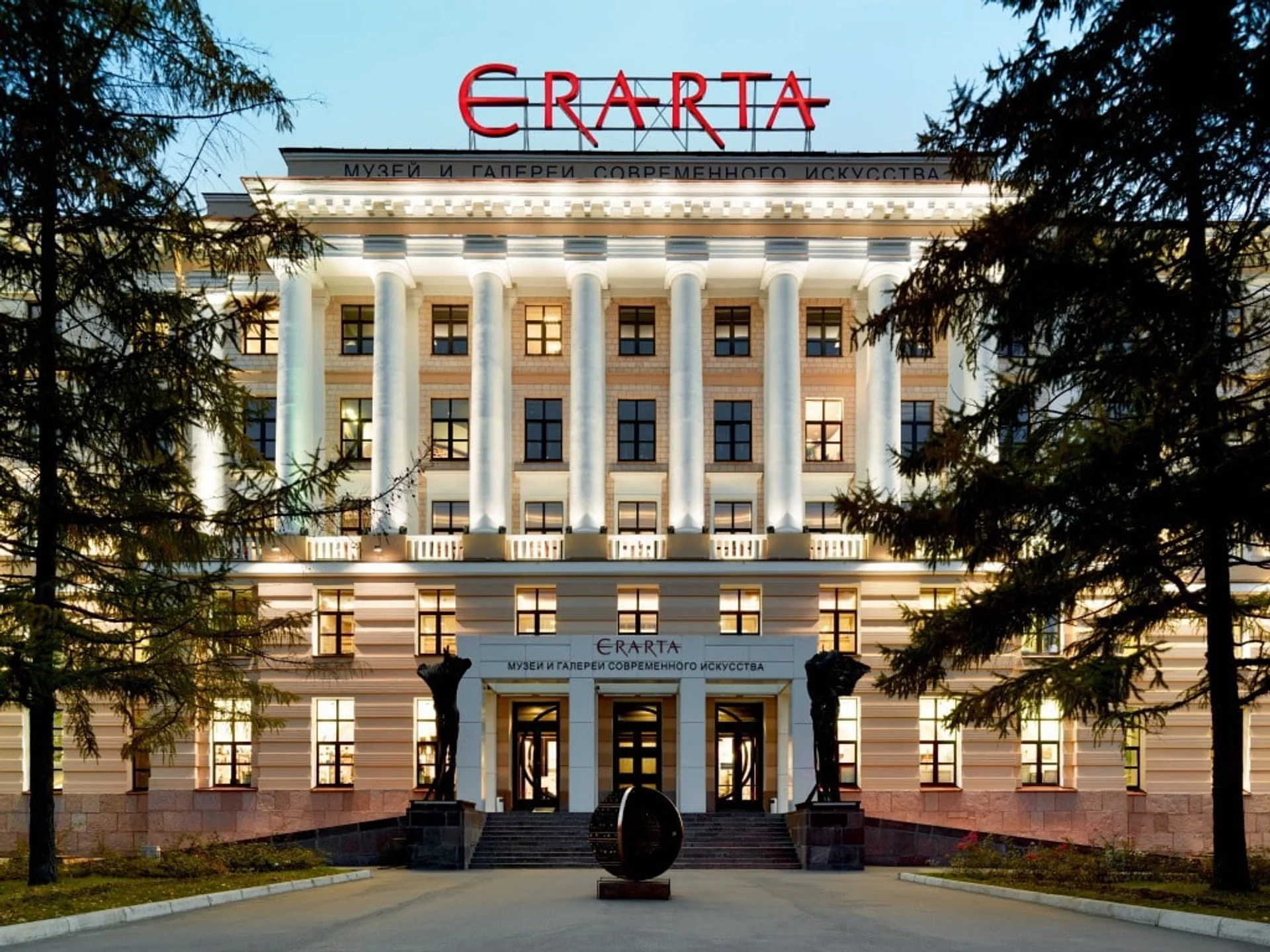
The largest private contemporary art museum in Russia. The collection includes over 2,800 works by Russian artists. The museum hosts more than 40 temporary exhibitions annually.
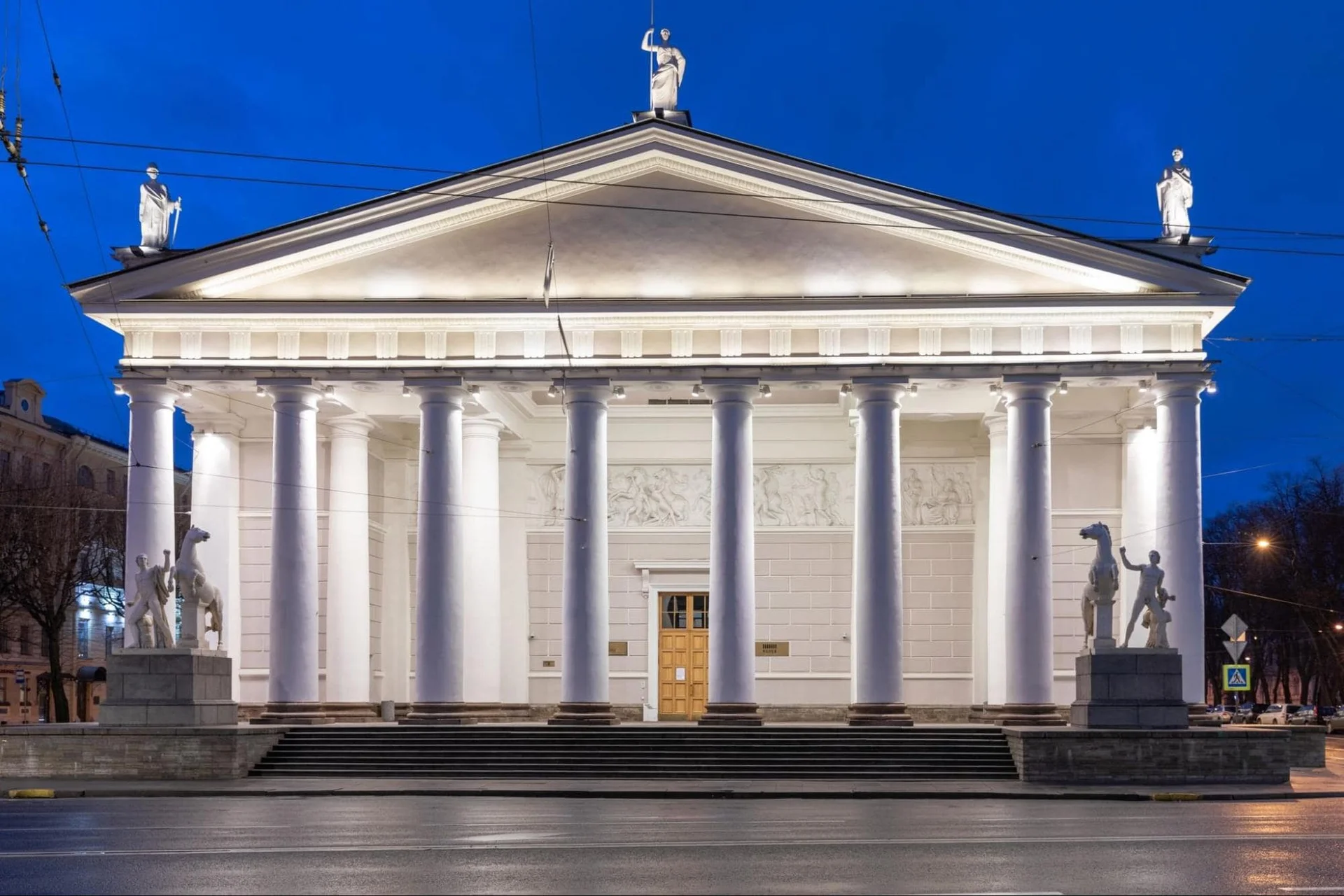
A central exhibition hall known for its cultural events, including exhibitions, workshops, lectures, seminars, concerts, and film screenings.
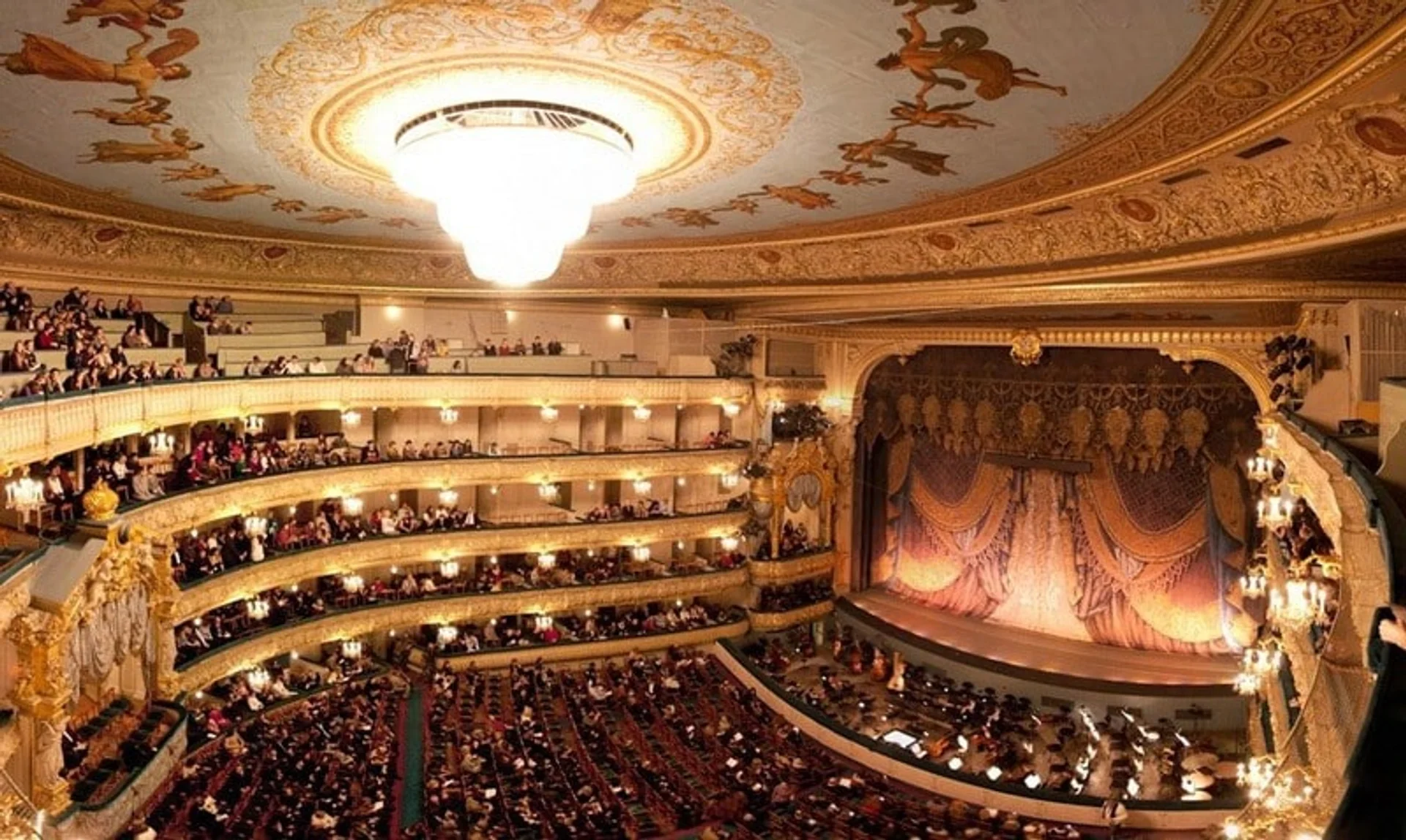
One of the leading musical theaters in Russia and the world, known for its opera and ballet performances.
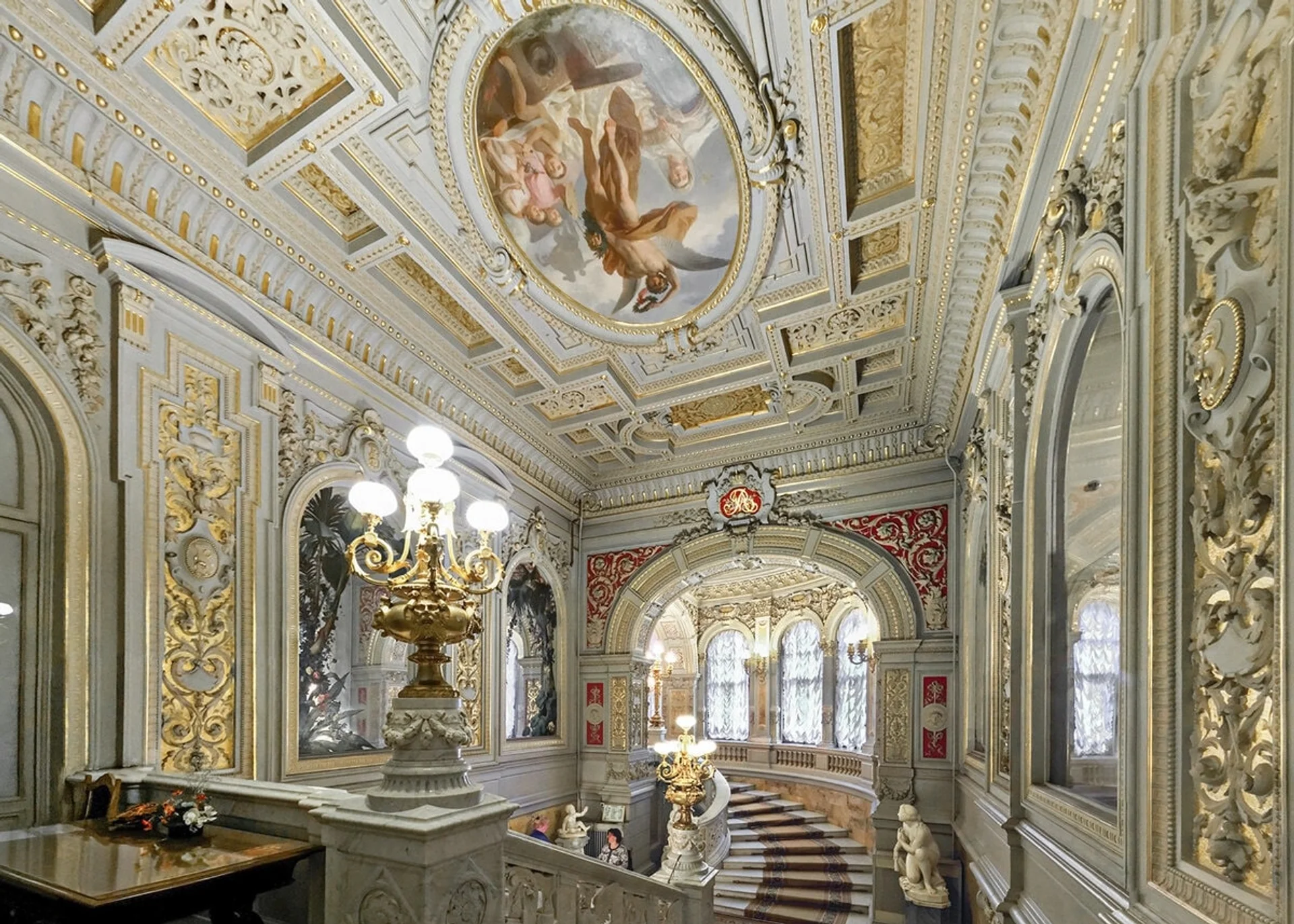
Known as the residence of Alexander II’s son in the 19th century, it later became the House of Scientists during the Soviet era. The palace is famous for its architecture and the historical events tha
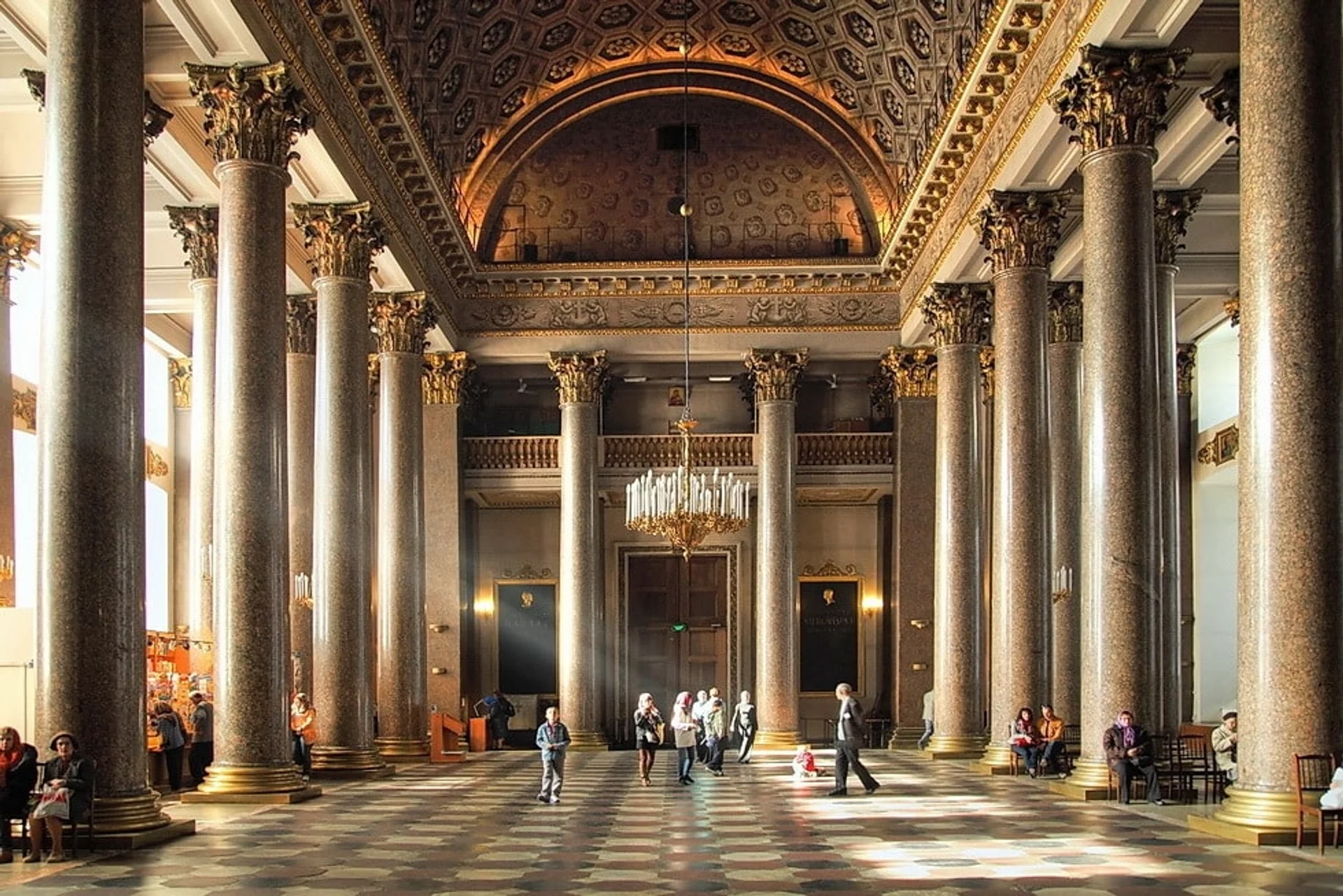
A globally recognized architectural monument that brings together unique works of art, culture, and history. The cathedral is protected by UNESCO.
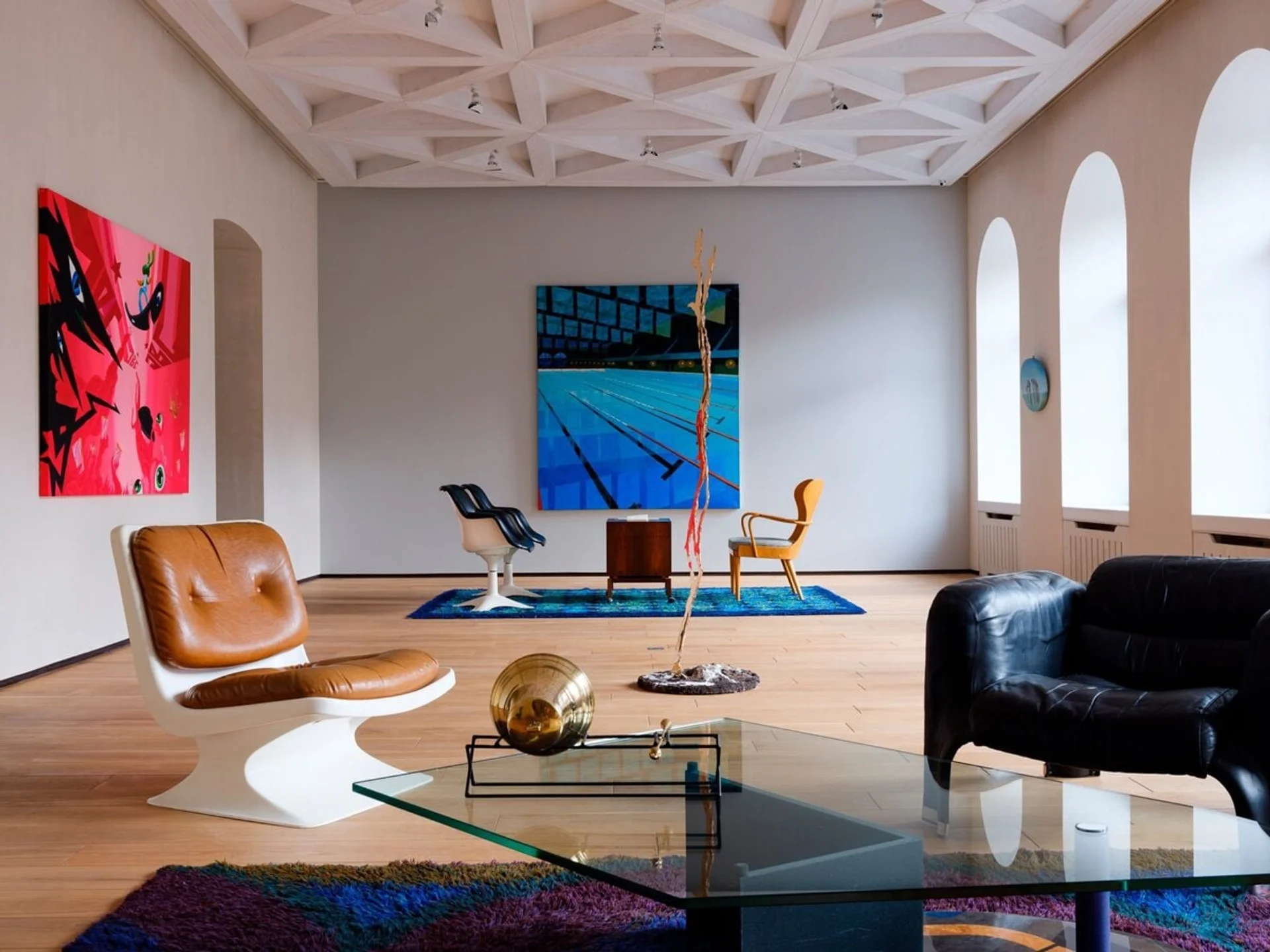
A leading institution in contemporary art that collaborates with Russian and foreign artists and curators. The gallery is known for its bold and innovative projects.
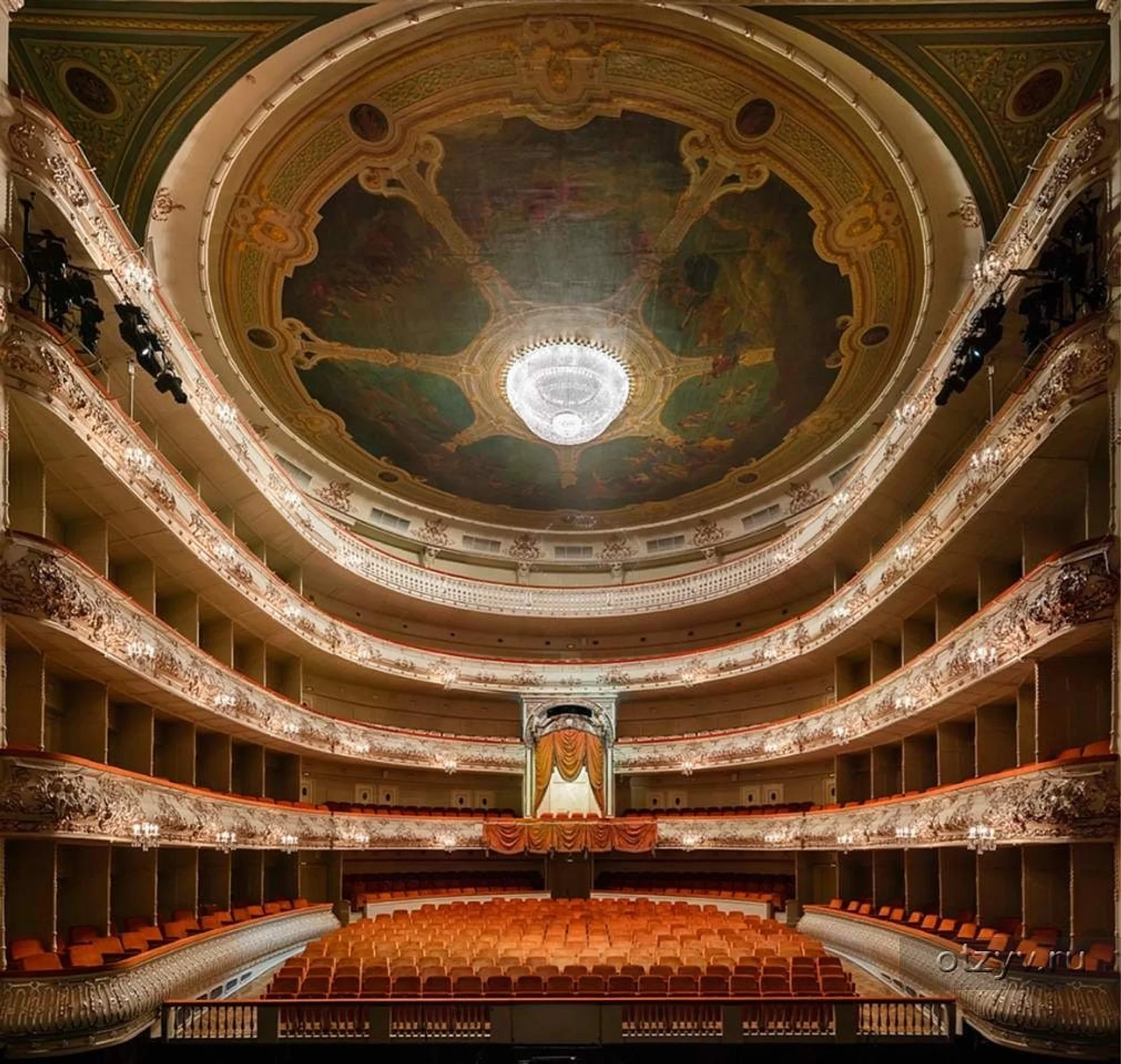
An opera and ballet theater opened in 1833. Located in a historic building on Arts Square, it is a significant musical theater in Russia.
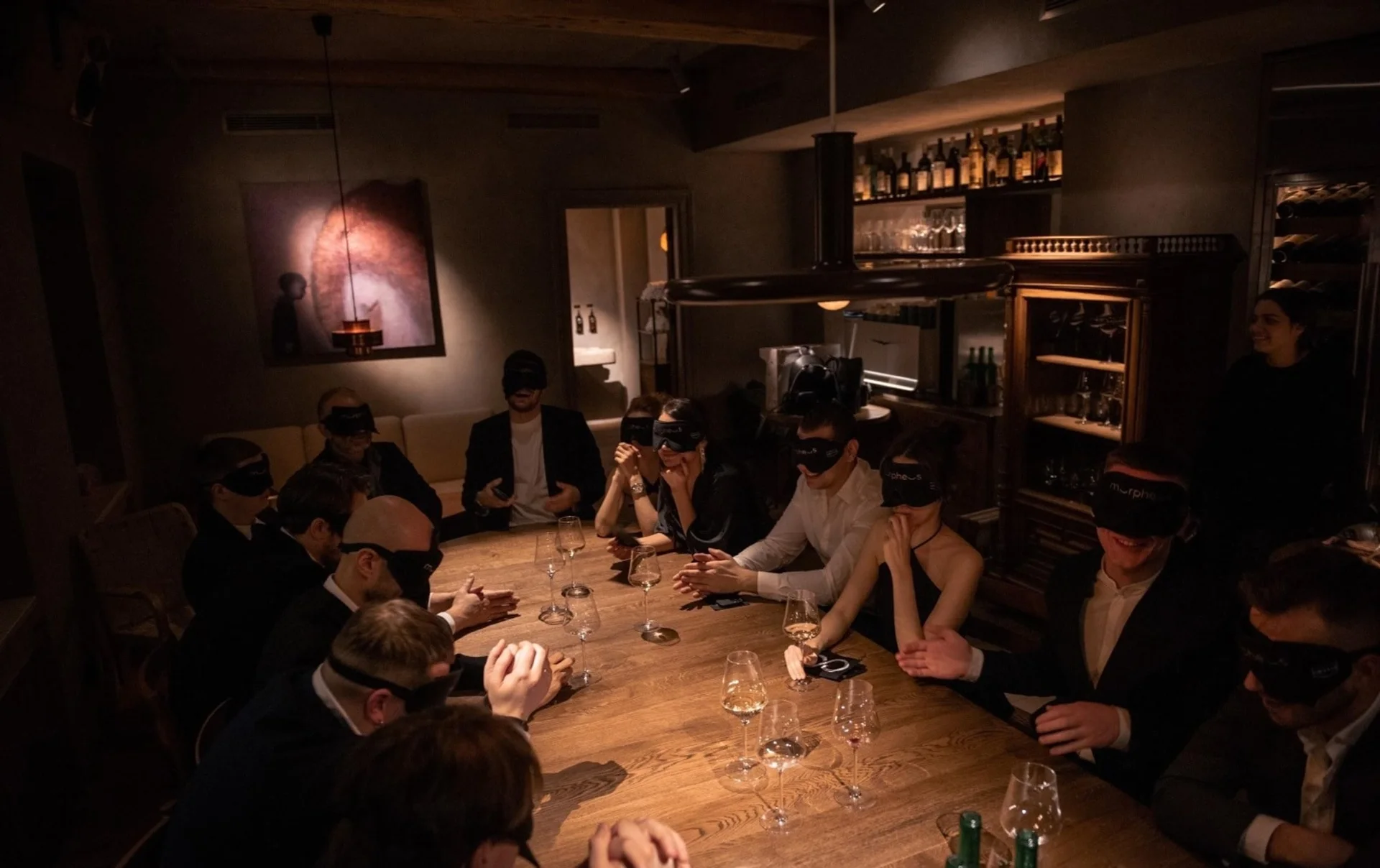
A theater where audiences immerse themselves in the performance with their eyes closed, experiencing the unfolding events on a sensory and emotional level. Participants interact with each other and in
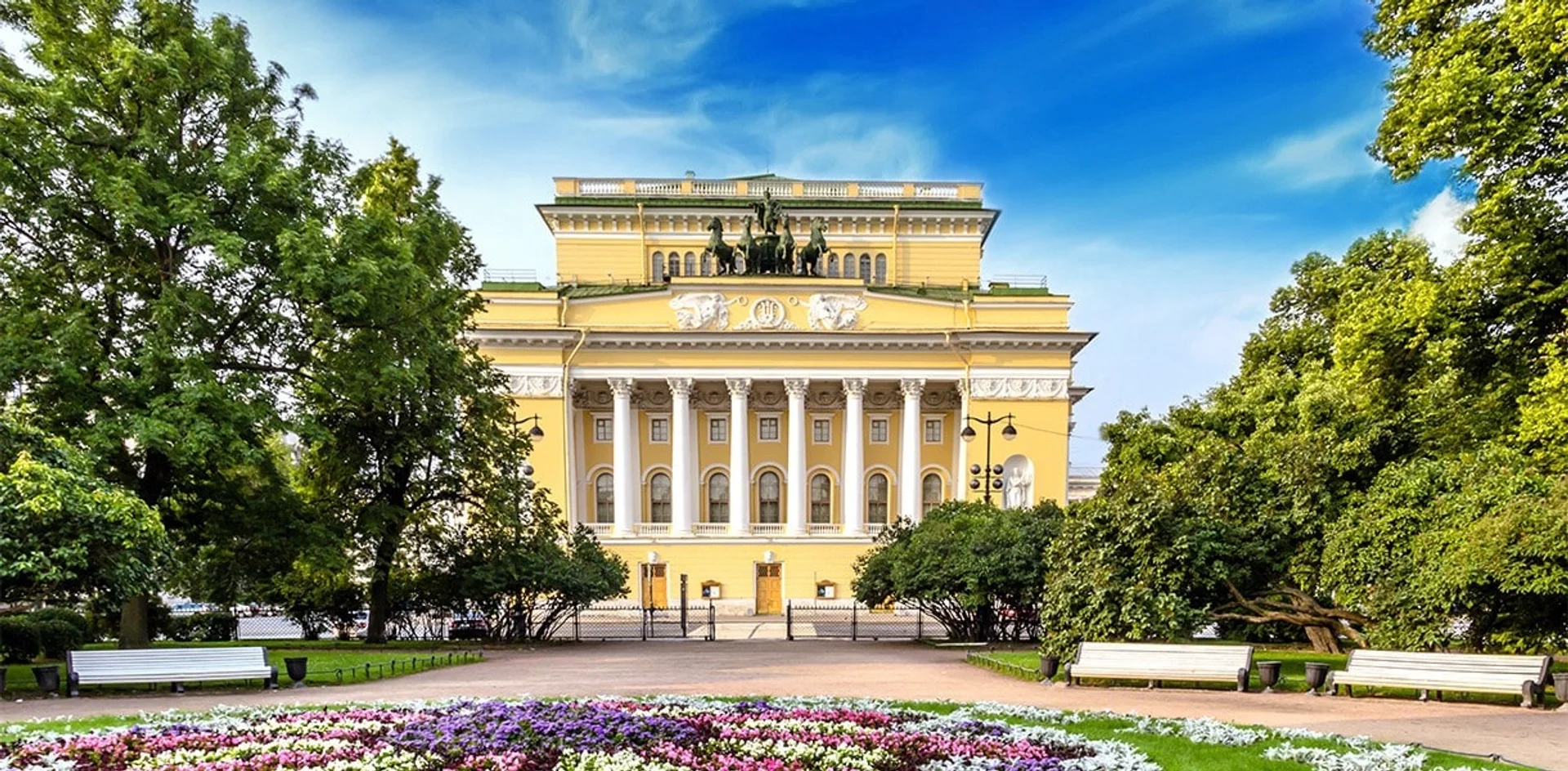
The oldest national theater in Russia, founded by Empress Elizabeth. The theater is considered the progenitor of all Russian theaters and marks the birth of Russian professional theater.
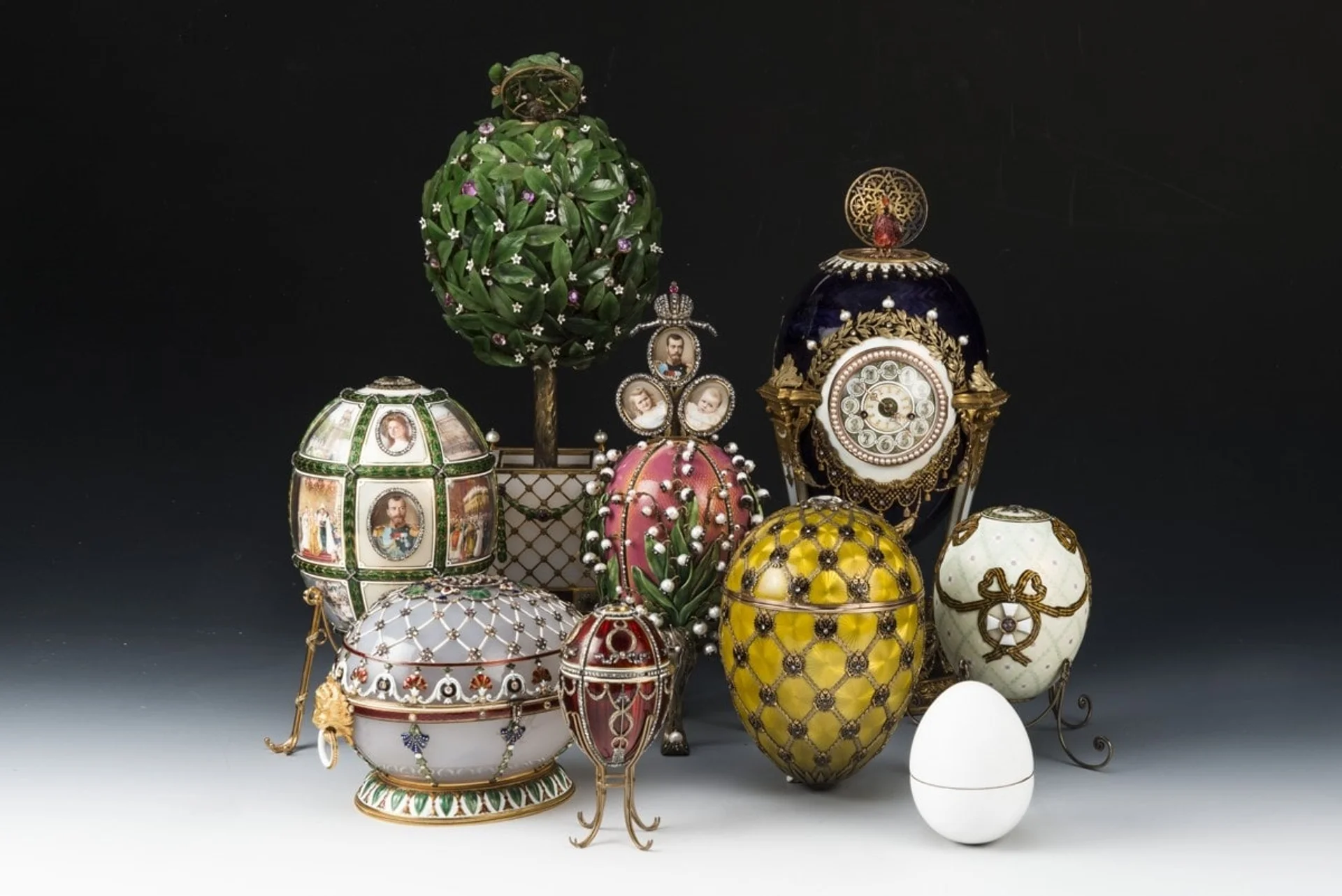
The foundation of the collection is the largest assembly of masterpieces from the Fabergé firm, including nine imperial Easter eggs created for the last two Russian emperors. These jeweled monuments a
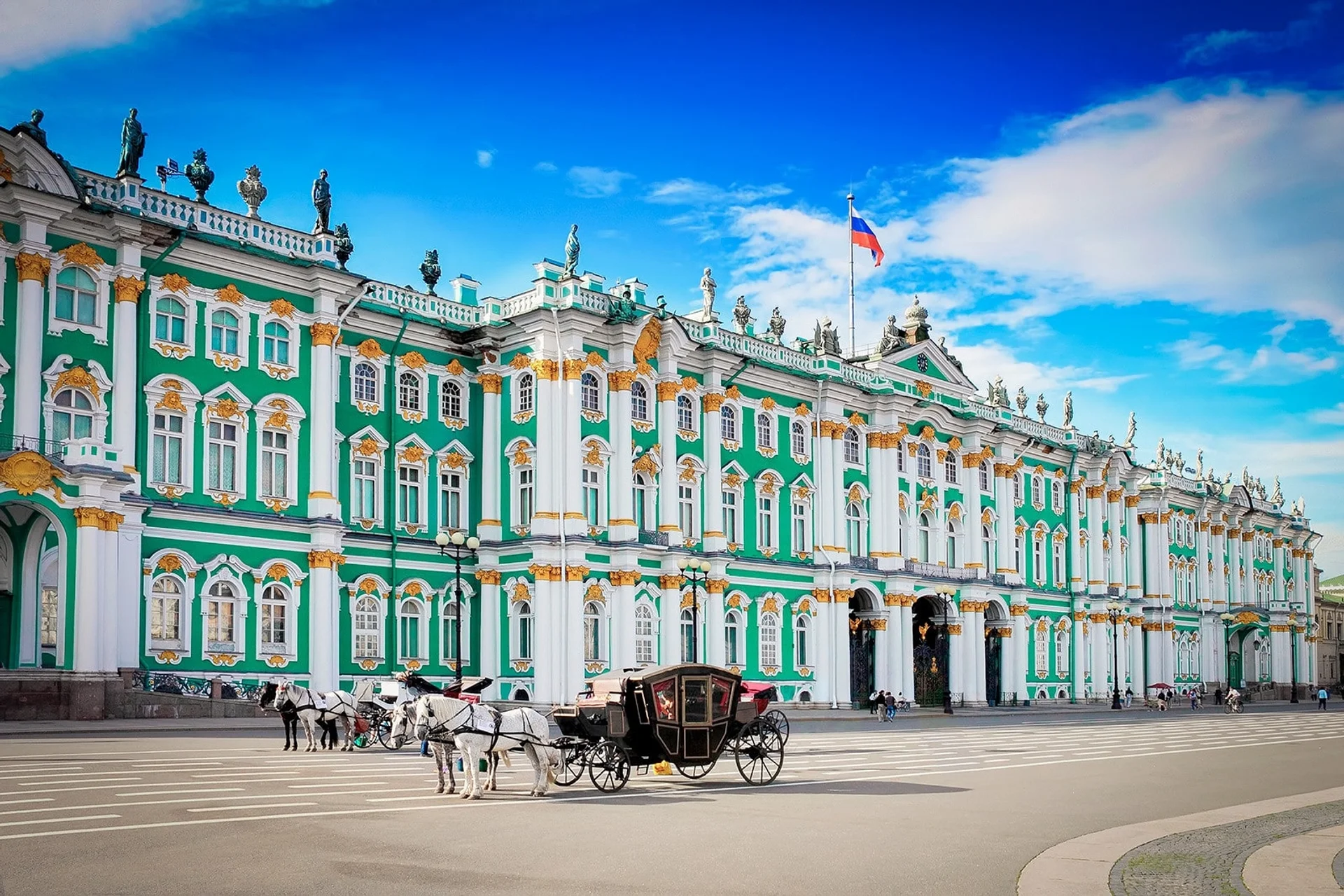
The second largest art museum in the world and one of the main attractions in St. Petersburg and Russia. Founded by Catherine II, it houses over three million exhibits.


