Museums & galleries in Rio de Janeiro
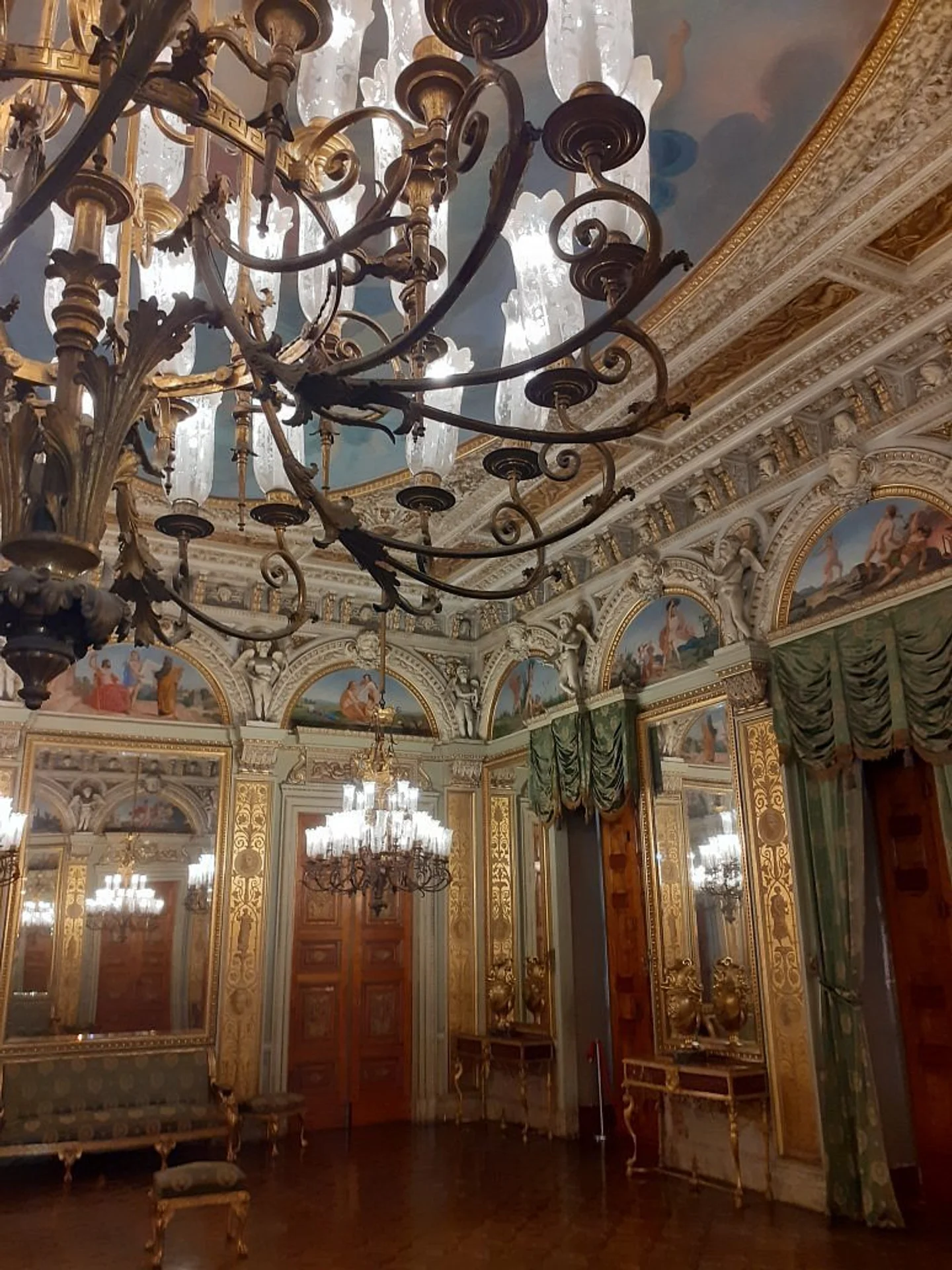
The museum tells the story of the material and intangible heritage associated with the republican regime. Here, they study and exhibit the history of the formation and development of the republic in B
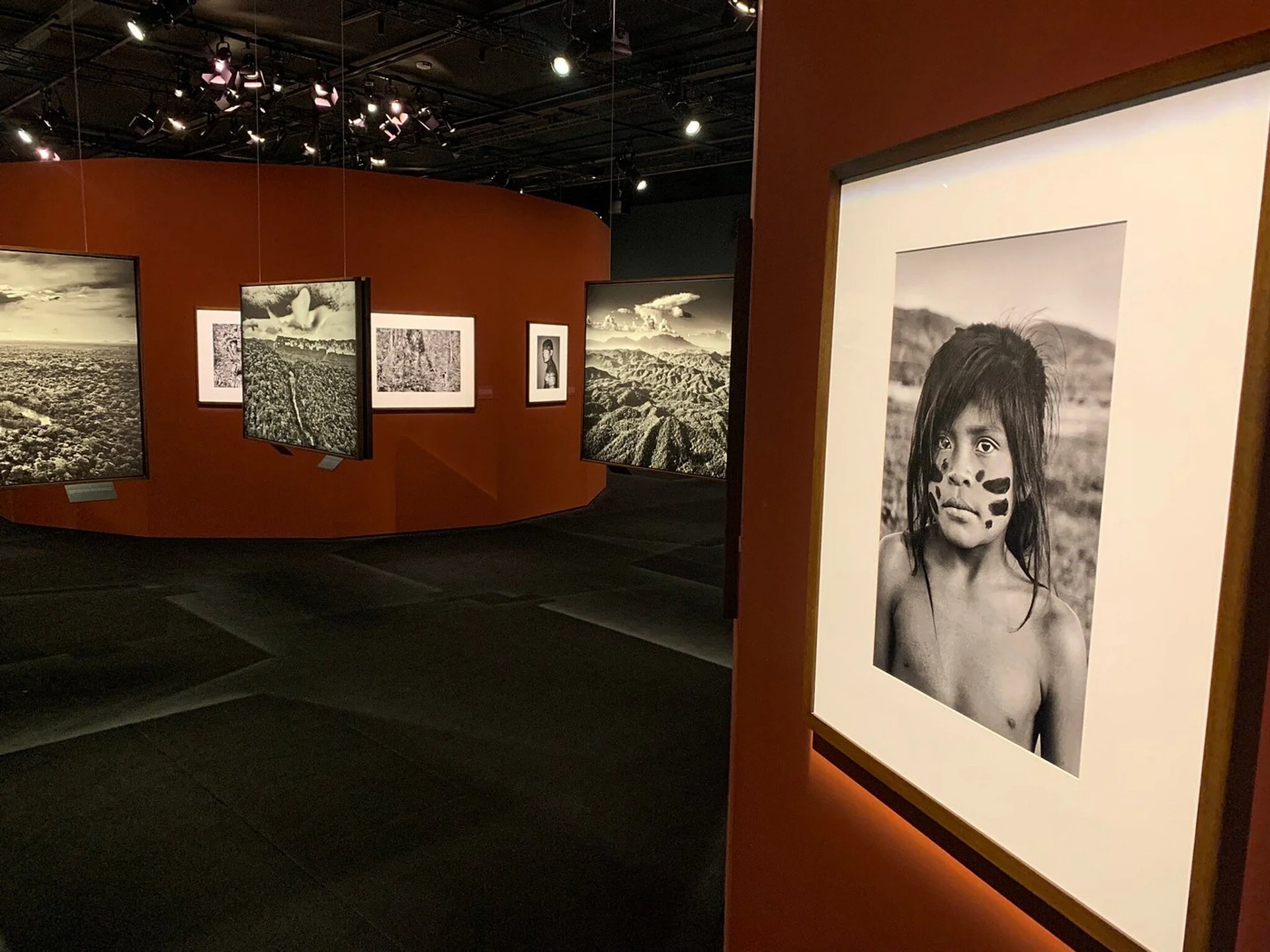
The museum’s mission is to stimulate public discussions about the future by combining science, sustainable development, and social dialogue. Here, science meets art and innovation.
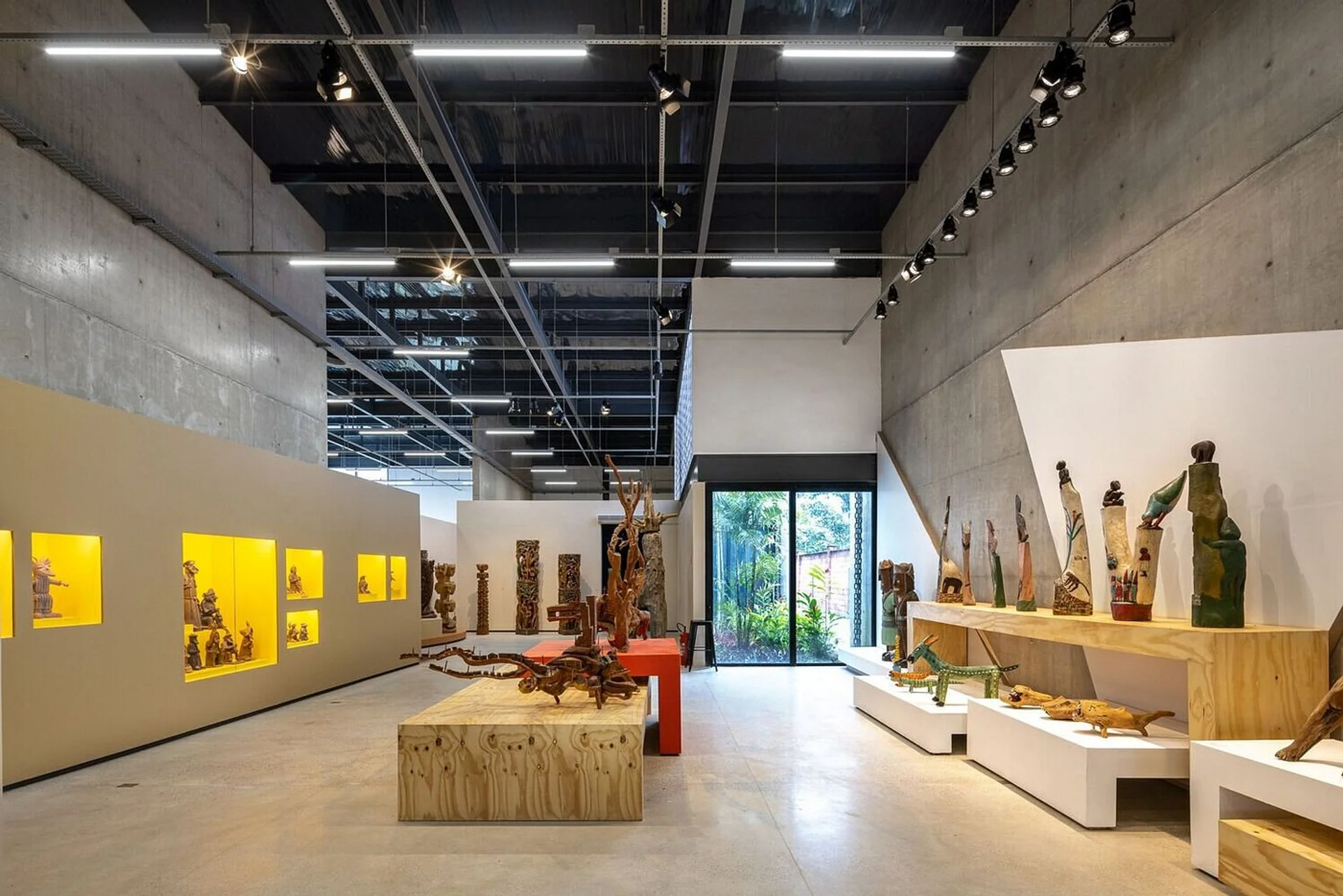
It comprises approximately 9,000 works by more than 300 artists from all over Brazil. It features sculptures made of clay, wood, and other materials that reflect everyday life, religious traditions, m
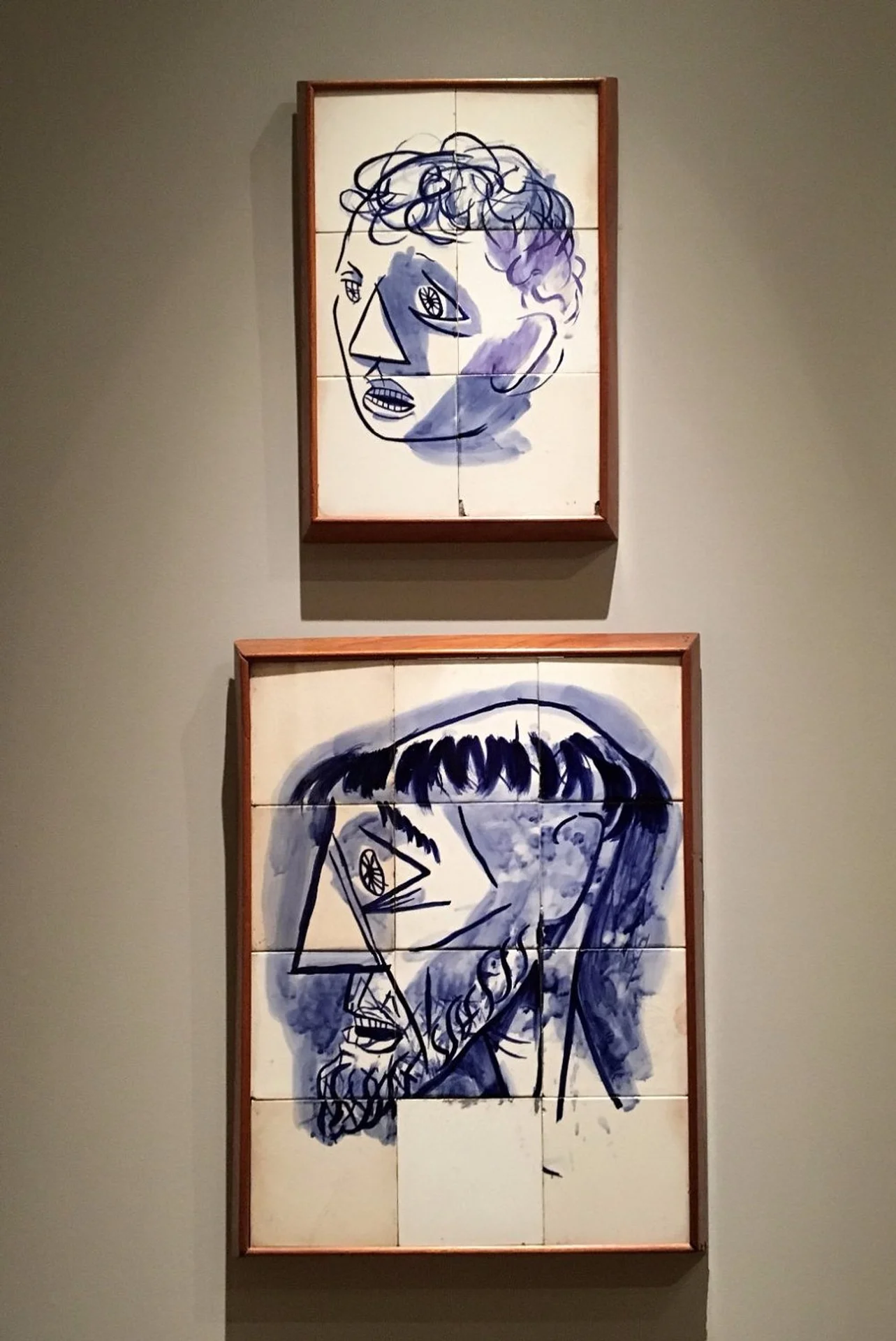
A well-known art center and gallery. The space specializes in research, organizing exhibitions, and publishing books on the history of Brazilian art from the 19th to the 20th century.
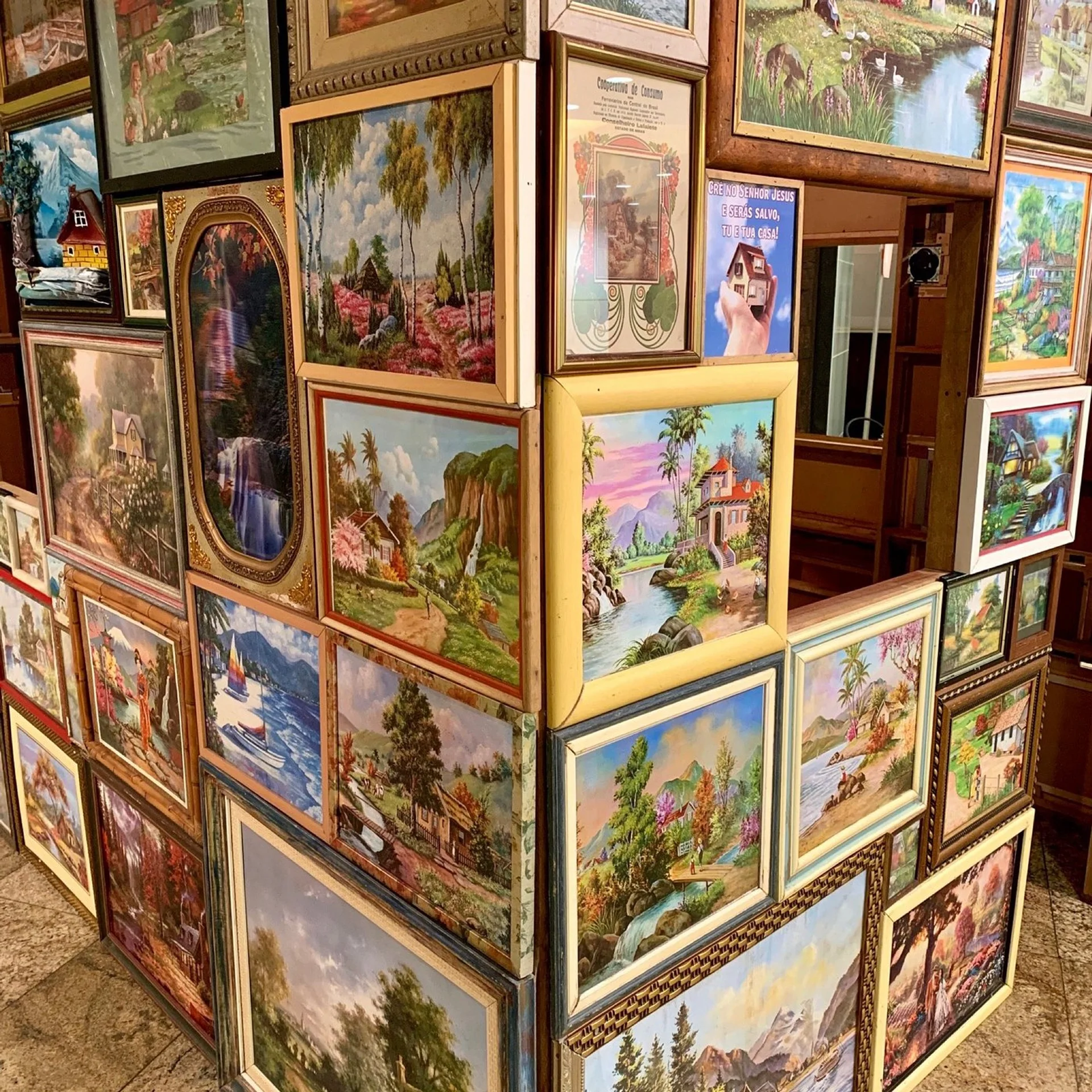
Exhibitions (including photo exhibitions such as World Press Photo), theatrical performances, dance shows, concerts, as well as educational programs and workshops for different age groups are held her
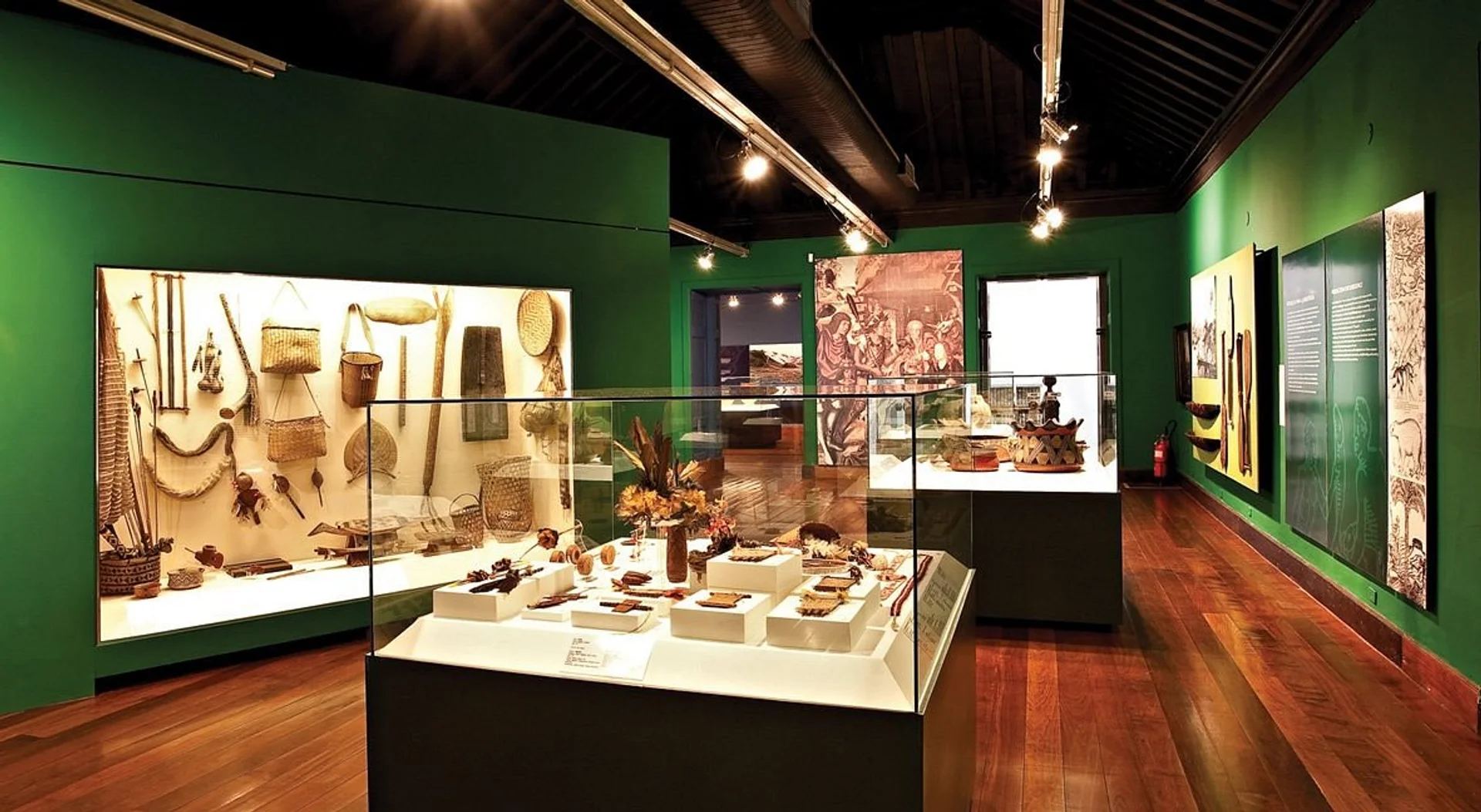
Located in the historic complex of Fort Santiago and the arsenal in the Praça da Data district. The collection comprises over 287,000 exhibits, including relics from the colonial era, the emperor’s th
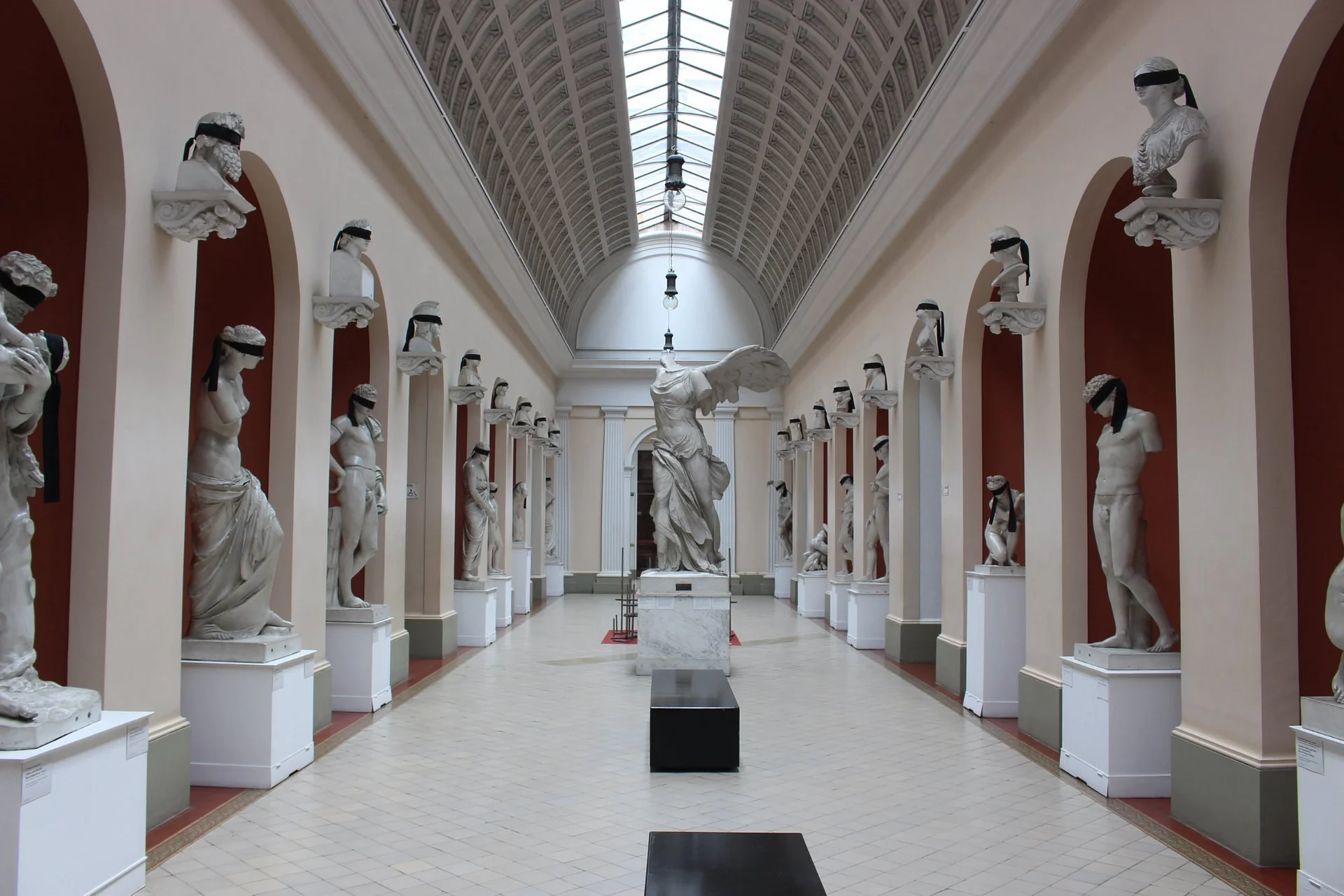
This is one of the most important collections of Brazilian art. The collection of paintings and sculptures from the 19th century is particularly rich. The holdings comprise about 20,000 works: paintin
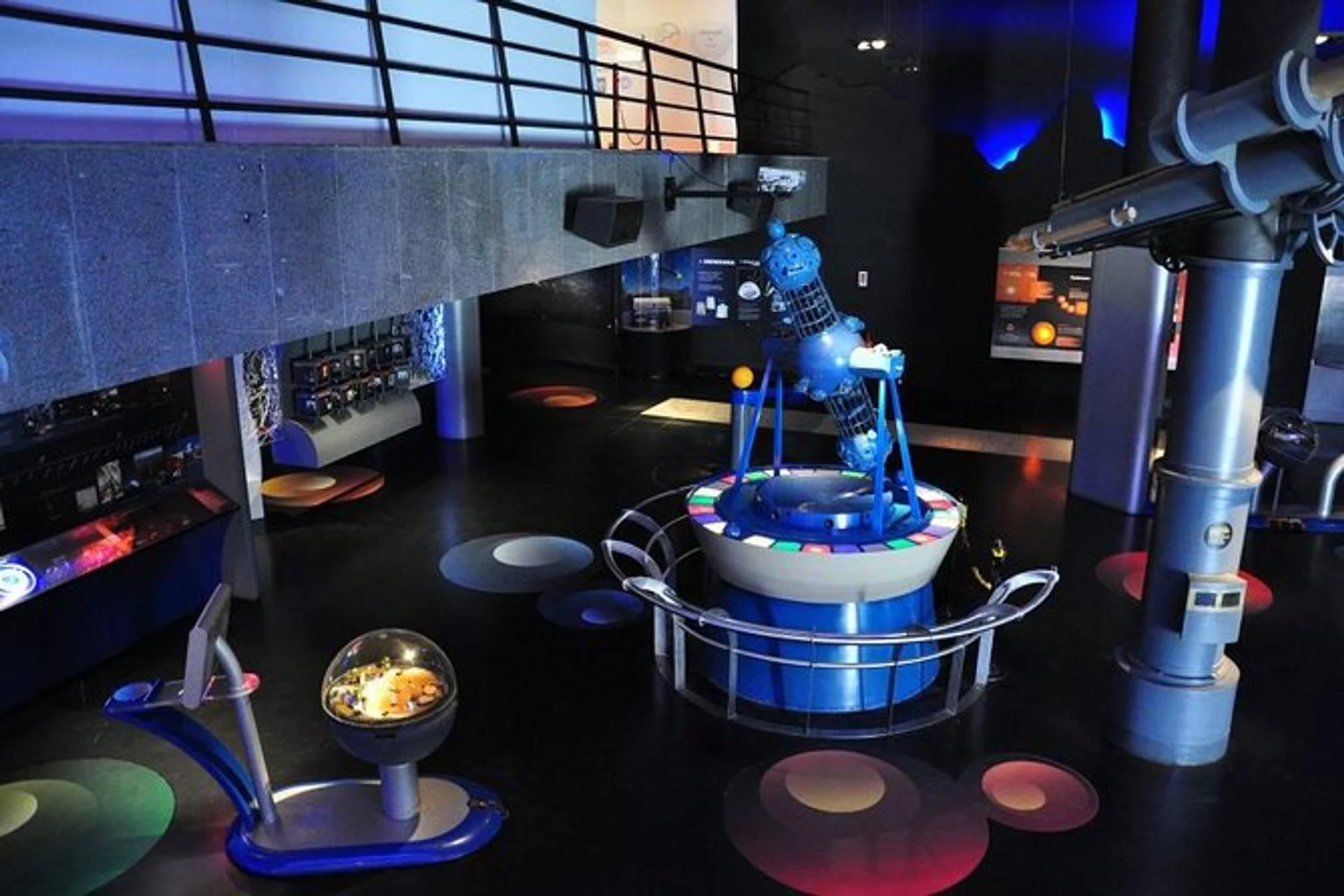
The largest astronomical scientific and educational complex in Latin America. Located in the Gavea district of Rio de Janeiro, it combines modern projection domes, the interactive Museu do Universo (M
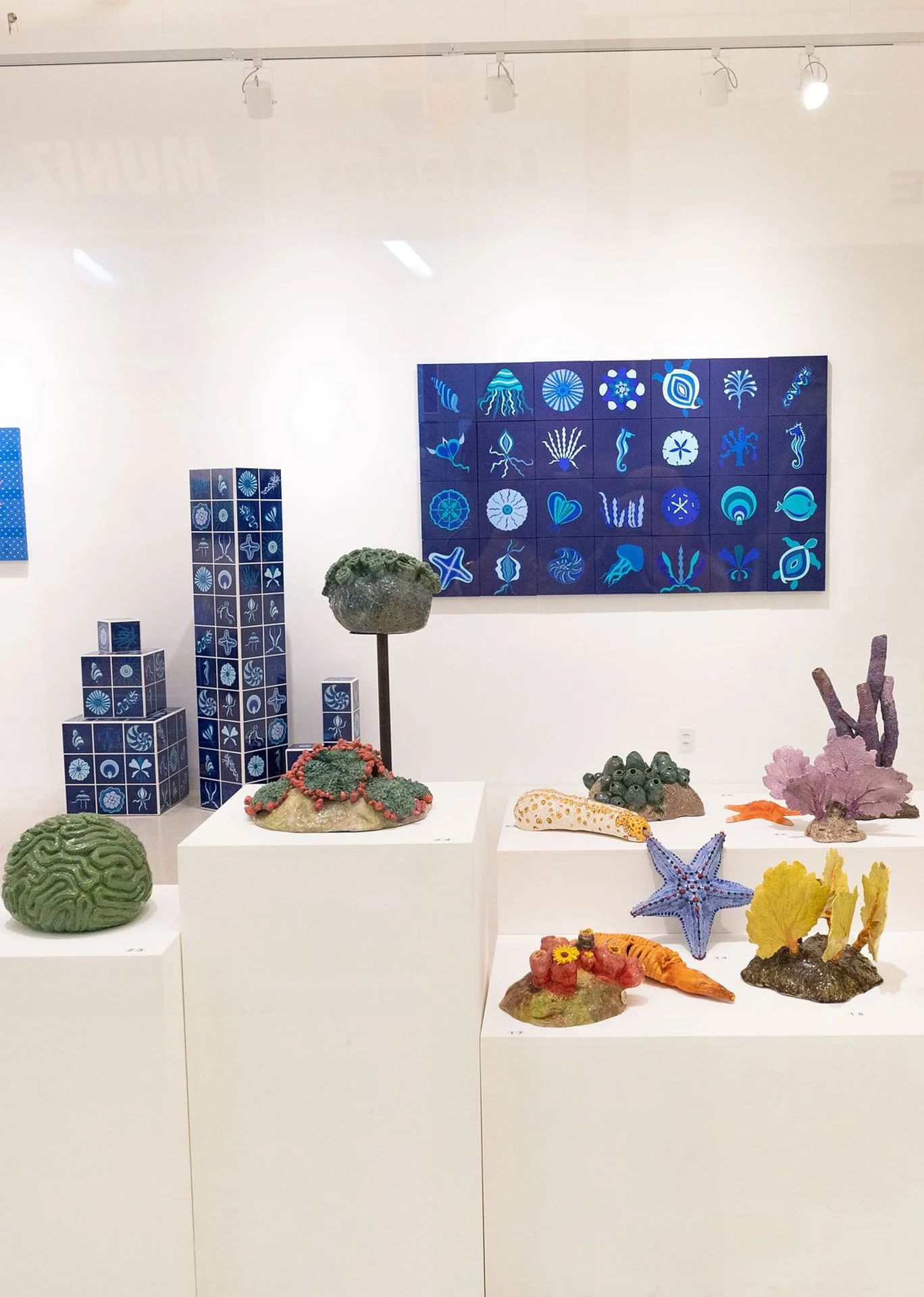
The gallery focuses on contemporary and relevant art. Exhibitions by Brazilian and international artists are held here regularly. The programs cover various themes.


