Museums & galleries in Florence
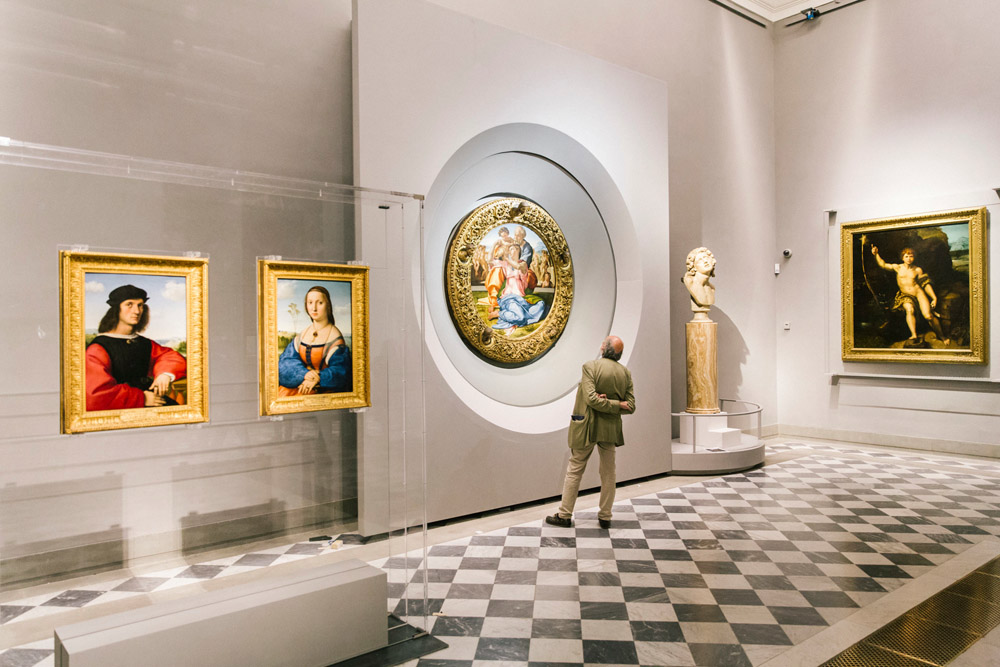
The main art museum of Florence and one of the most important in the world for Renaissance art.
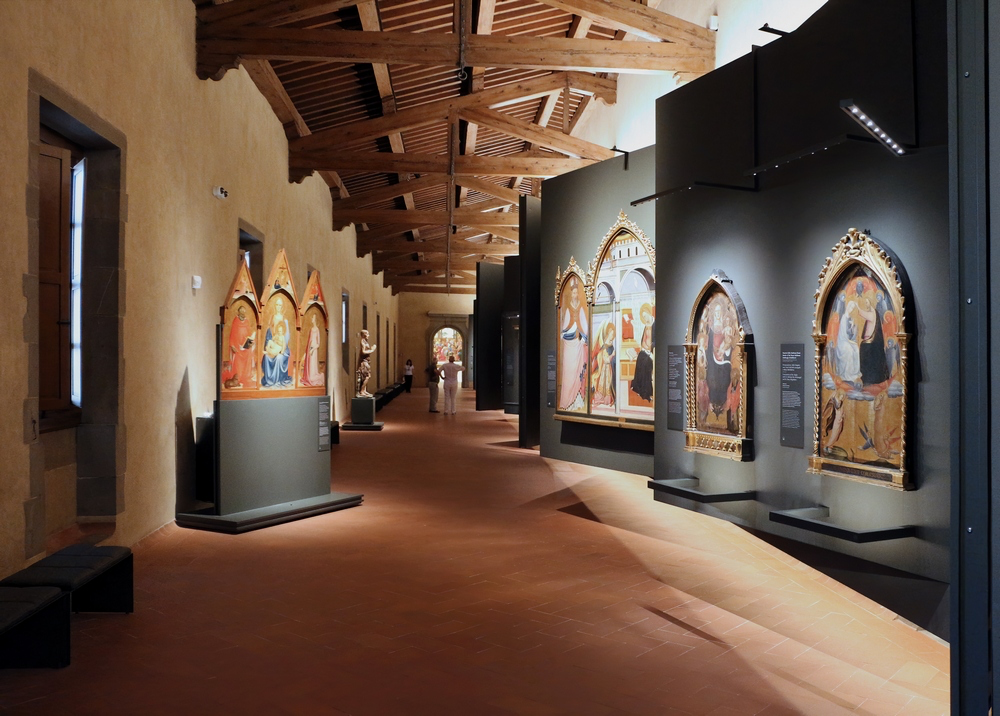
The oldest orphanage in Europe, renowned as one of the first examples of Renaissance architecture. Built between 1419 and 1445 by Filippo Brunelleschi, it was designed to care for abandoned children and orphans.
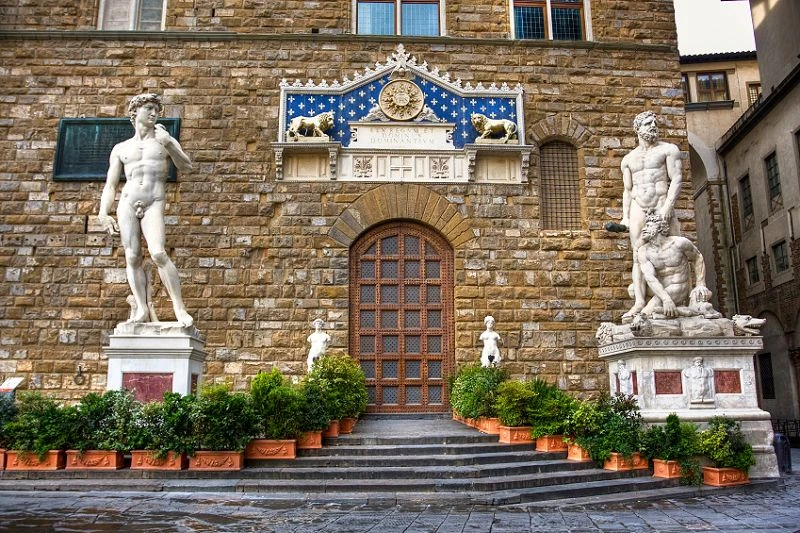
The historic town hall located on Piazza della Signoria, built between 1299 and 1314 by architect Arnolfo di Cambio in a fortress-like palace style. The building served as the seat of the Florentine Republic, the Medici, and later the parliament of unified Italy, and today functions as both the city hall and a museum.
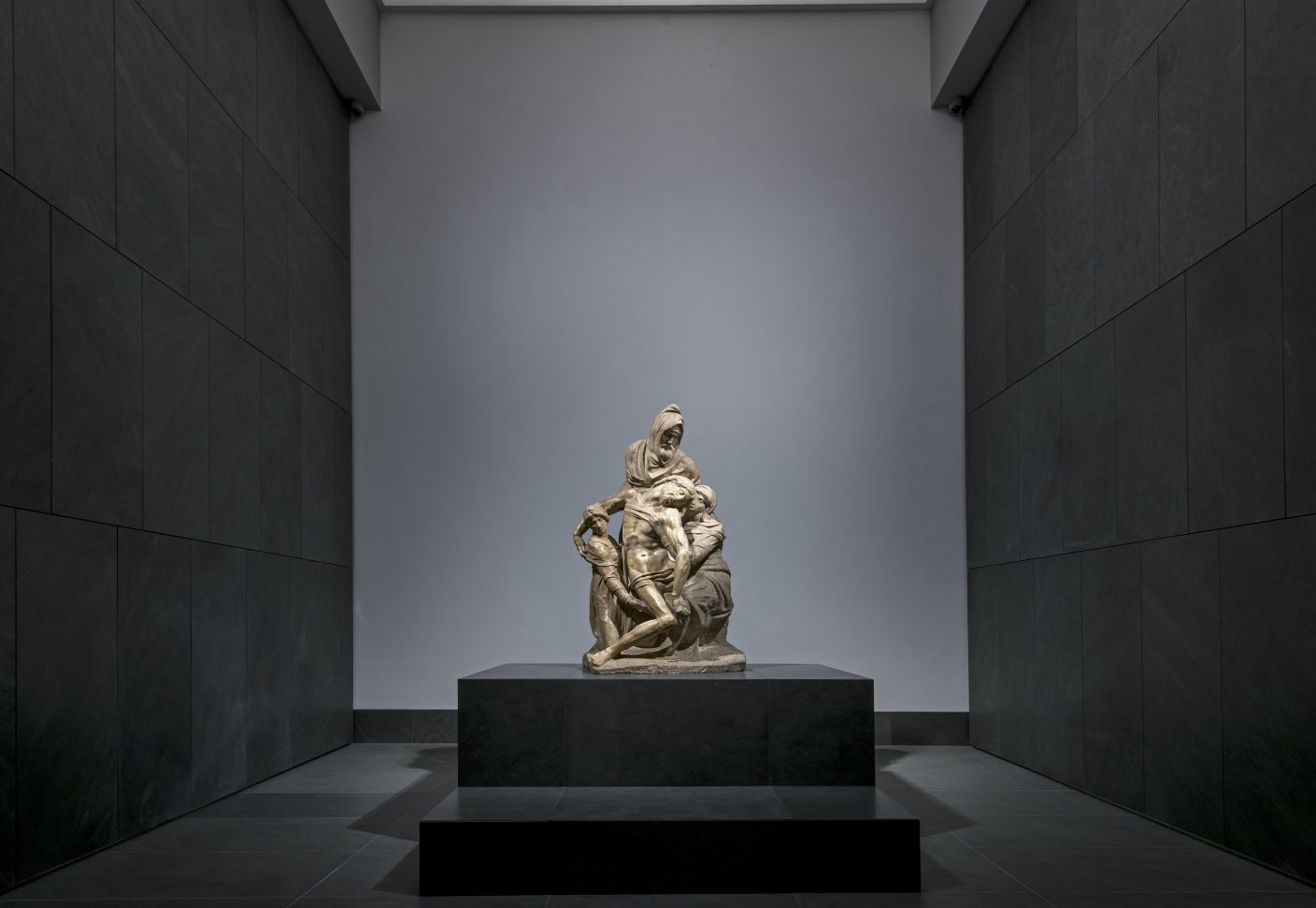
A museum connected to Florence Cathedral, housing original sculptures and artworks that once adorned the cathedral, Brunelleschi's Dome, and the Baptistery.
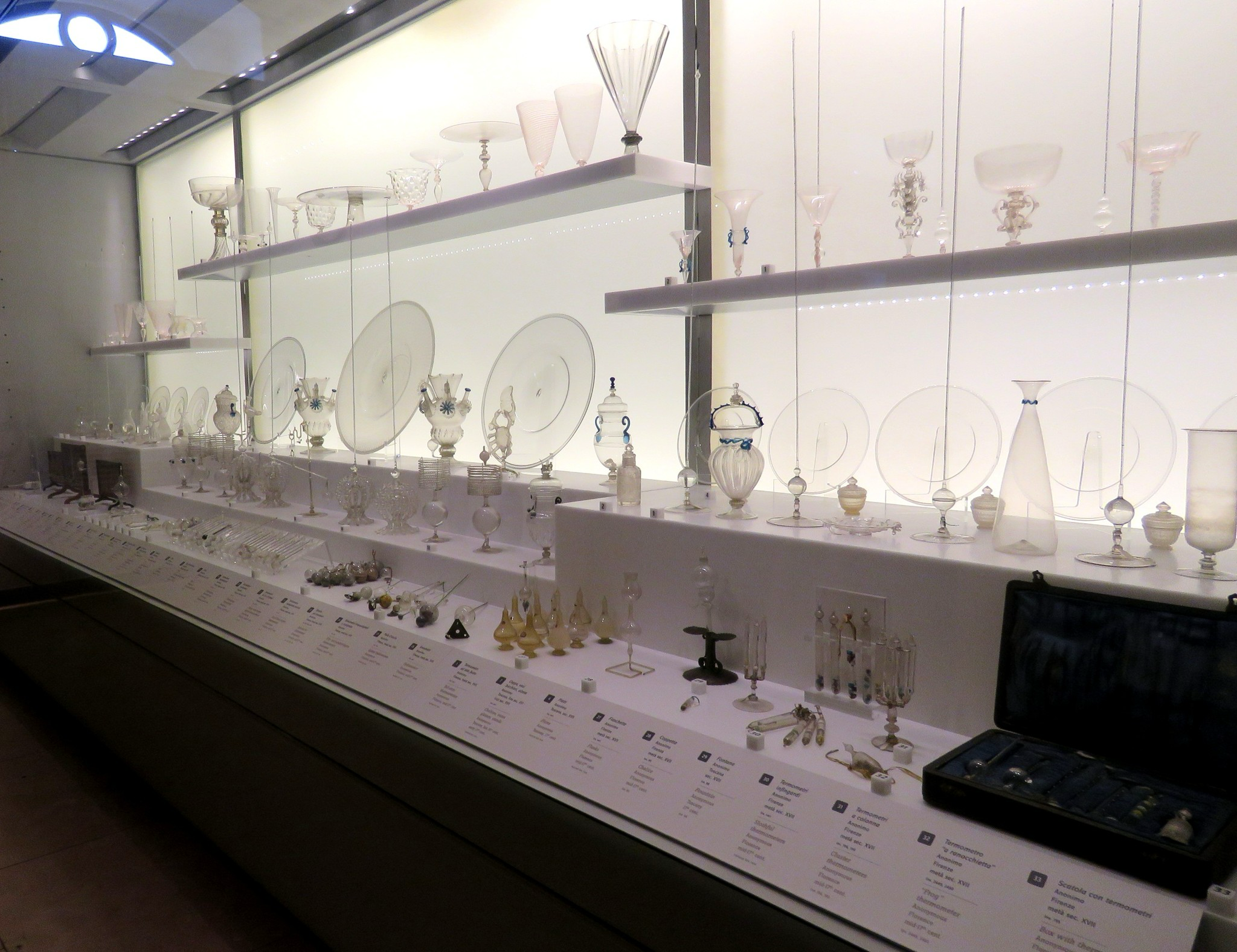
A leading museum of the history of science, housing unique Renaissance instruments and personal relics of Galileo Galilei.
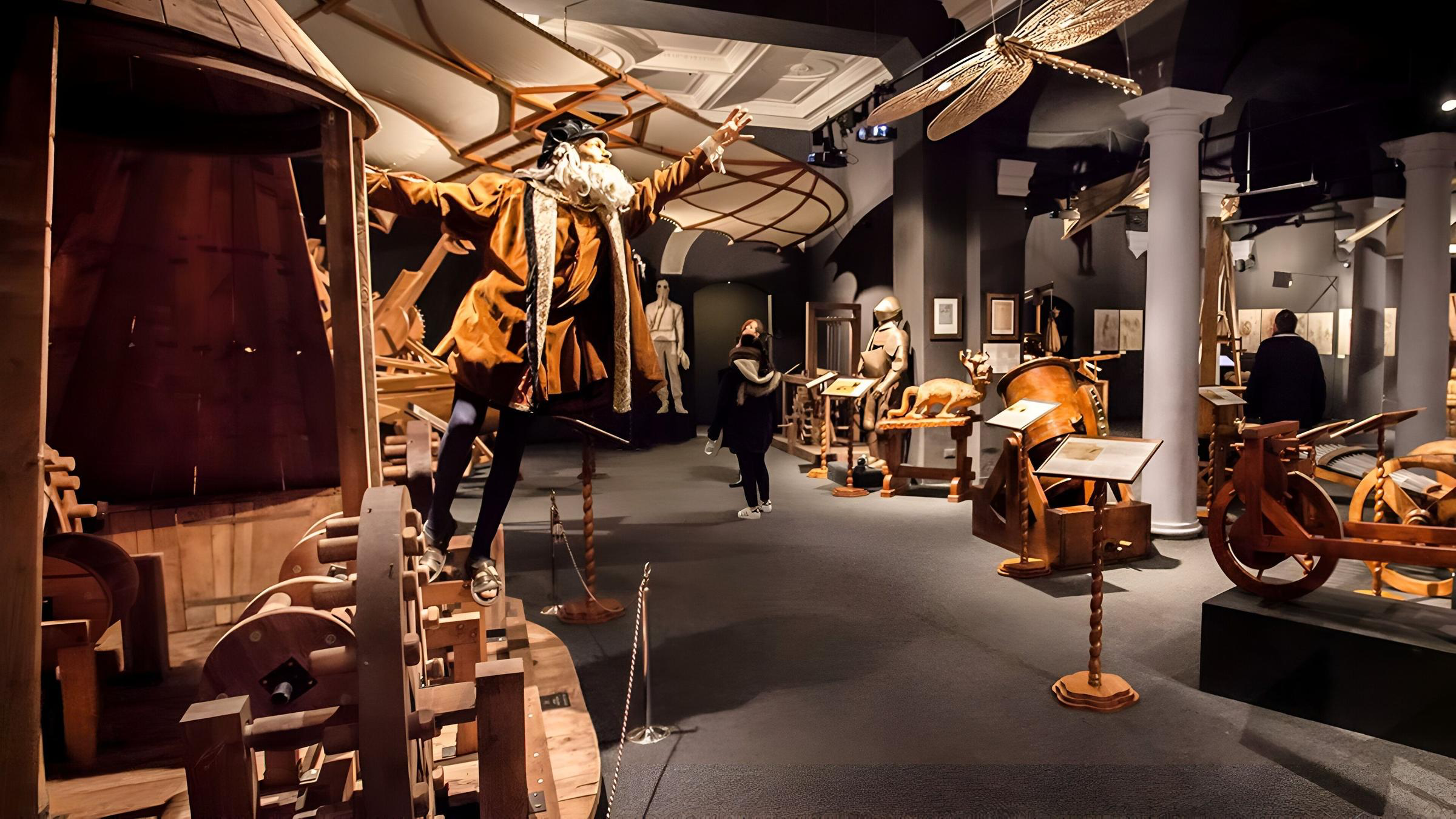
An engaging interactive museum dedicated to Leonardo da Vinci, where visitors explore his genius through working models of his inventions. The museum features 50–60 interactive machines, reproductions of his artworks, 3D holograms, and VR experiences — all designed to be touched and operated.
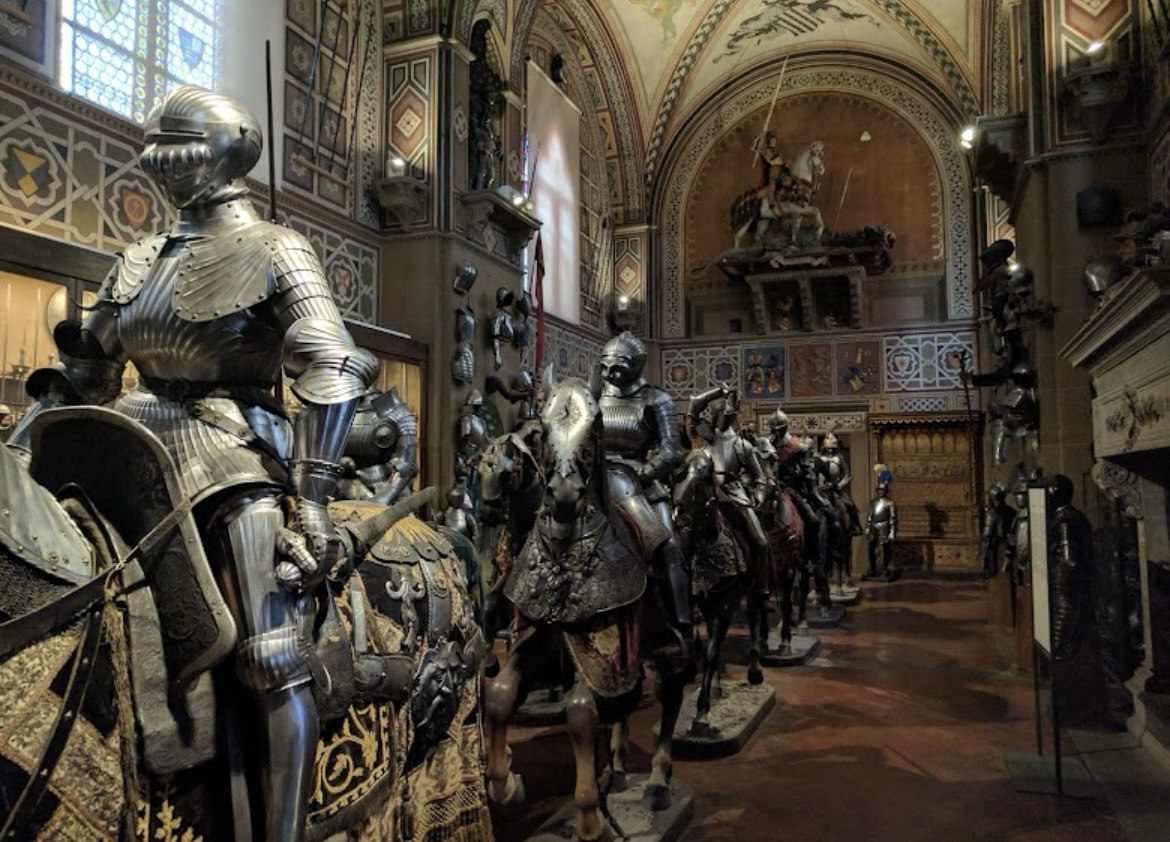
A unique collection of artifacts specializing in arms, armor, and artworks from both the East and West. Founded by collector Frederick Stibbert (1838–1906), who bequeathed his villa and around 50,000 items to the city.
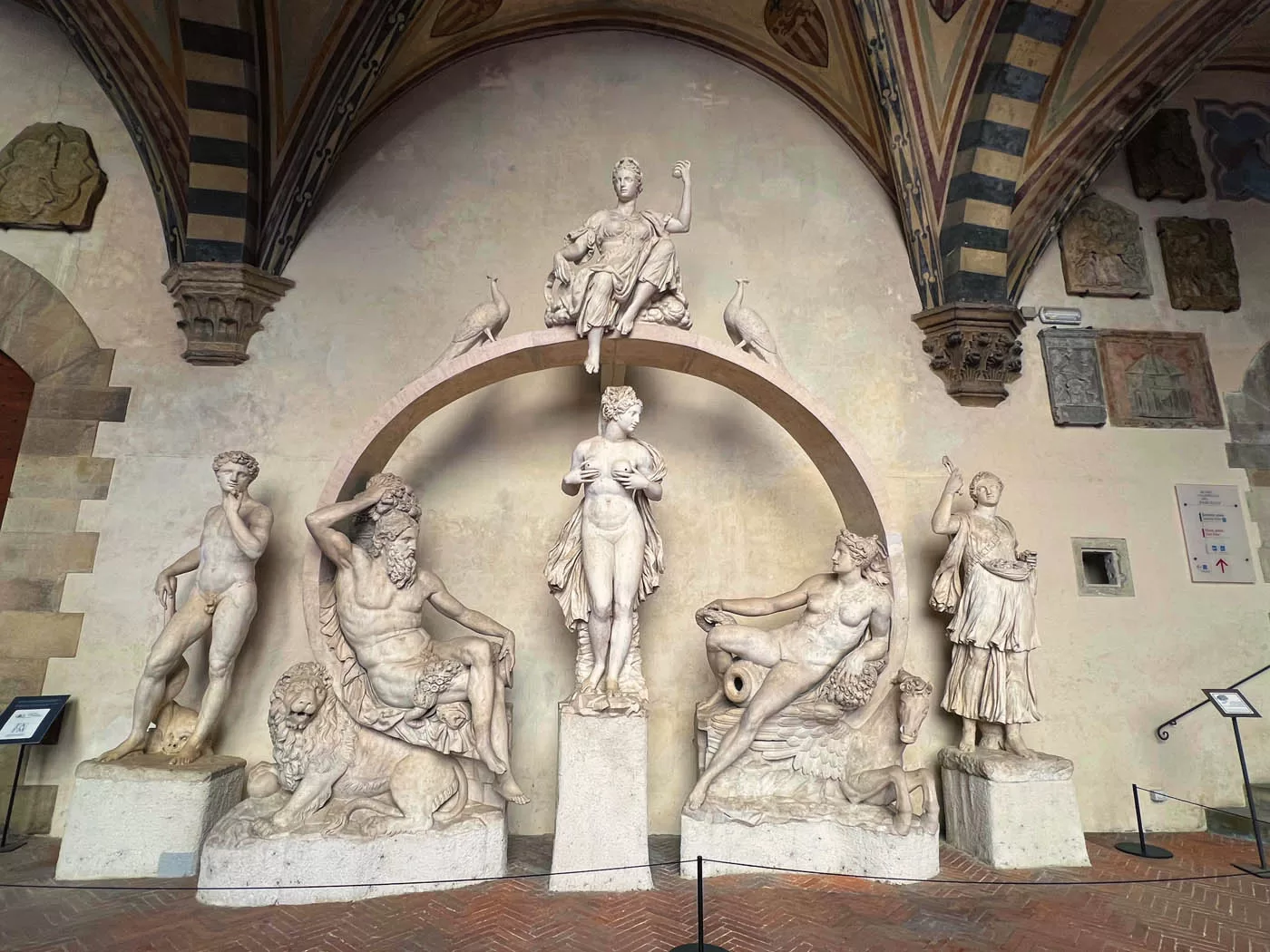
One of Florence’s oldest art museums, housed in a 13th-century medieval palace. Its collection is renowned for Renaissance sculpture, including Donatello’s bronze David, Michelangelo’s Bacchus and Brutus, as well as works by Verrocchio and Cellini, alongside Medici weapons, ivory pieces, and della Robbia terracotta.
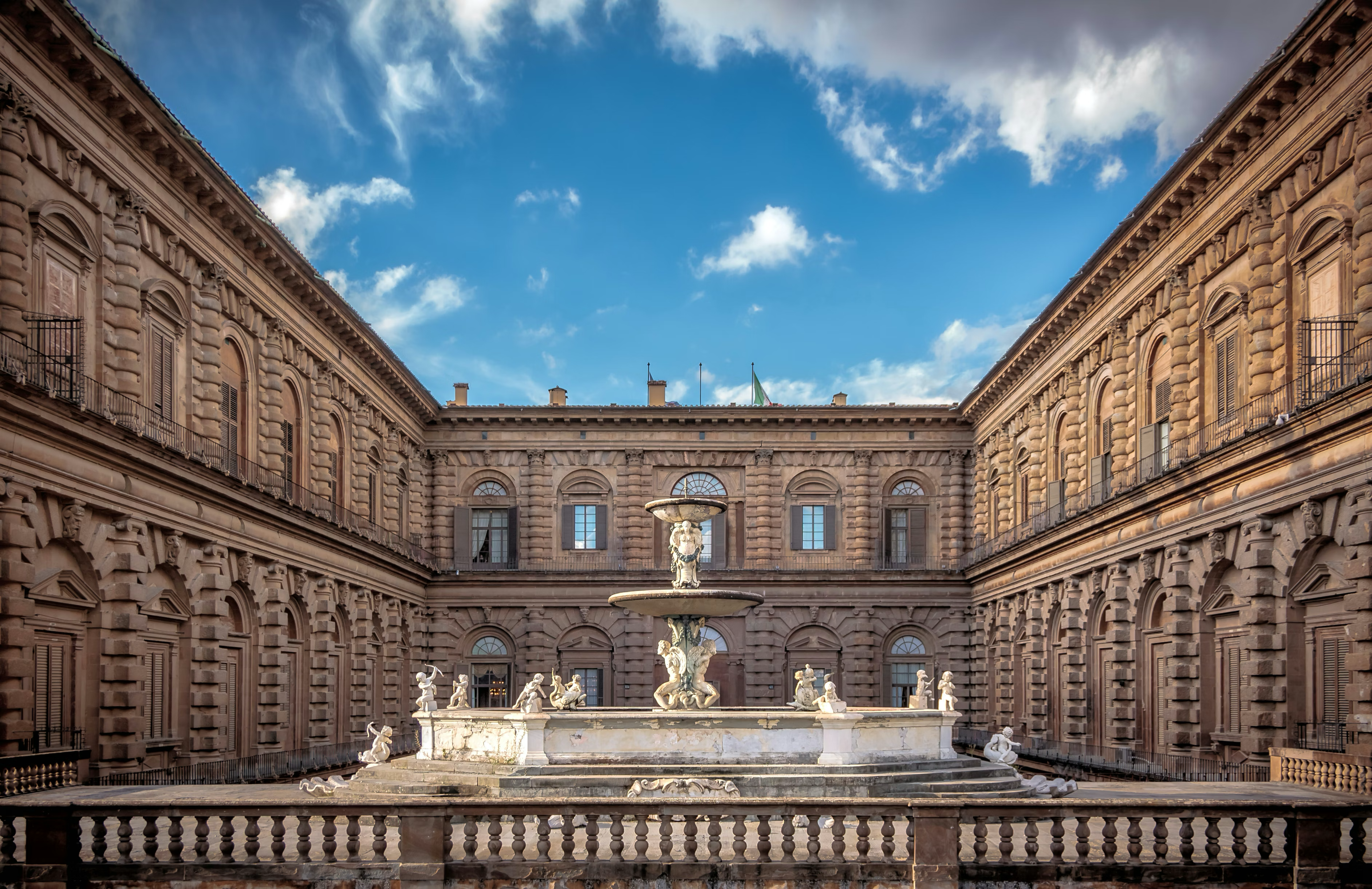
The largest museum complex in Florence, housed in a Renaissance palace that once served as the residence of the Medici family. Its collections include masterpieces by Raphael, Titian, and Caravaggio from the renowned Medici collection.
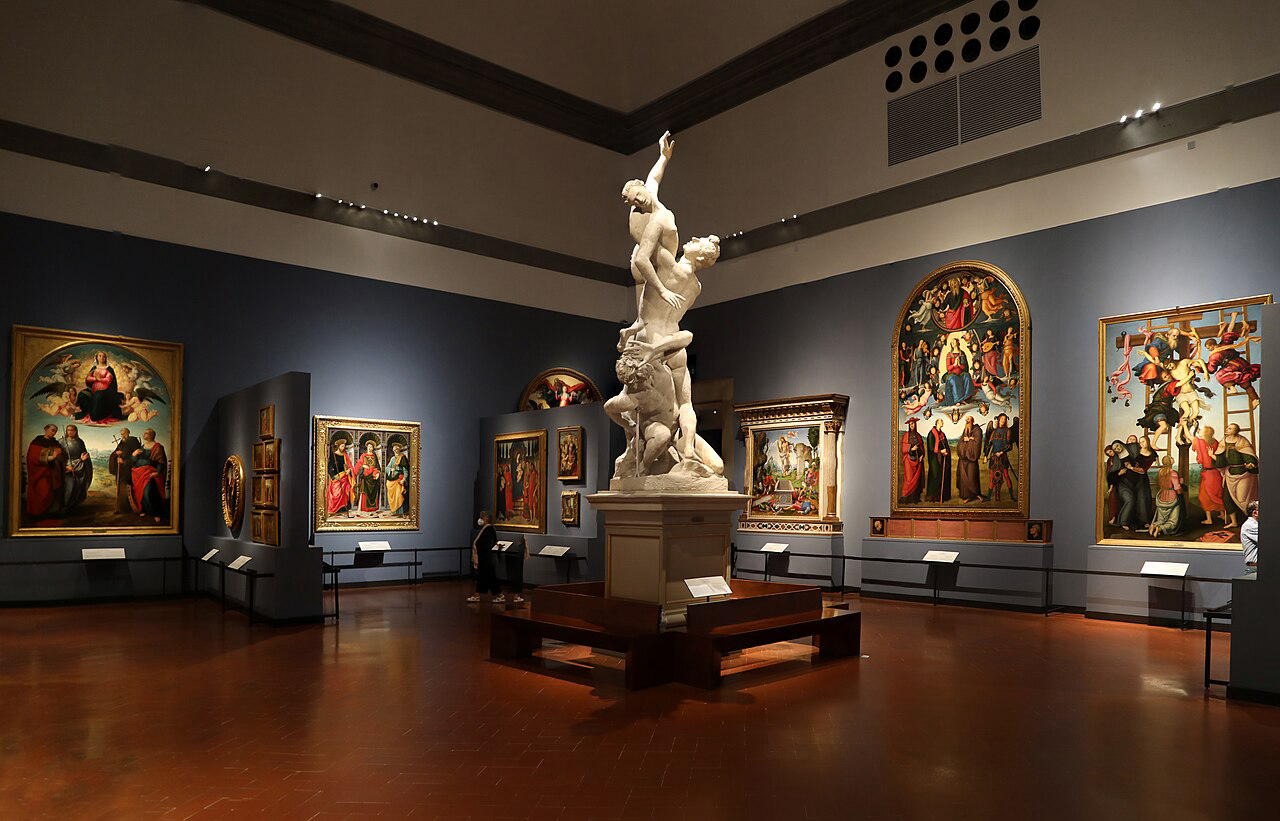
Famous for Michelangelo’s iconic David — a symbol of Florence and one of the greatest masterpieces of the Renaissance.


