Museums & galleries in Amsterdam
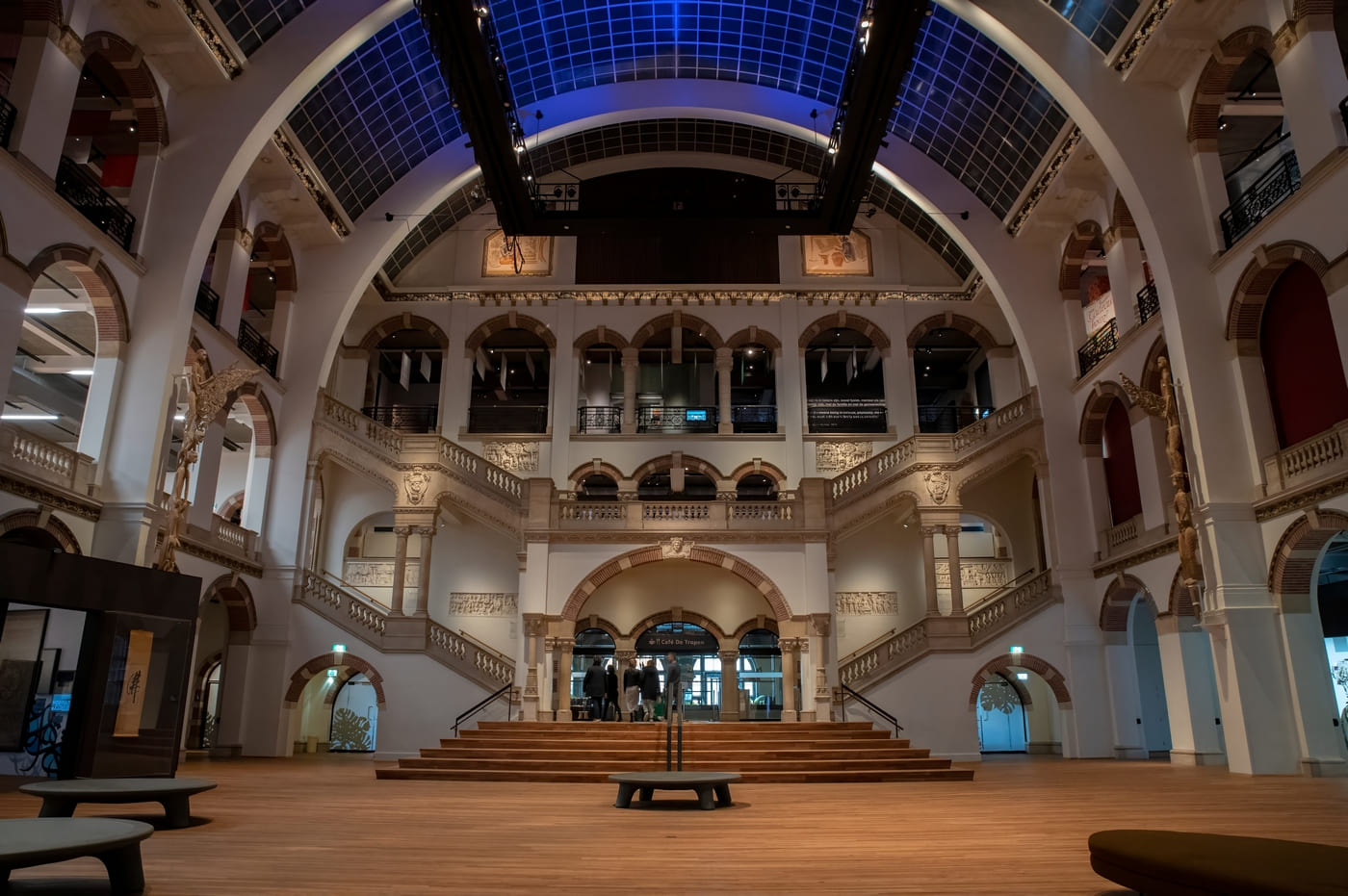
The history of one of Europe’s most renowned ethnographic collections—the Tropenmuseum (Museum of the Tropics)—dates back to 1871, when an exhibition on the lives of indigenous peoples in the Dutch colonies opened in Haarlem. In the early 20th century, a spacious building was constructed in Amsterdam to house the growing collection. Today, its holdings comprise over 175,000 artifacts, ranging from stone hand axes from Java to a 360-year-old Japanese statue.
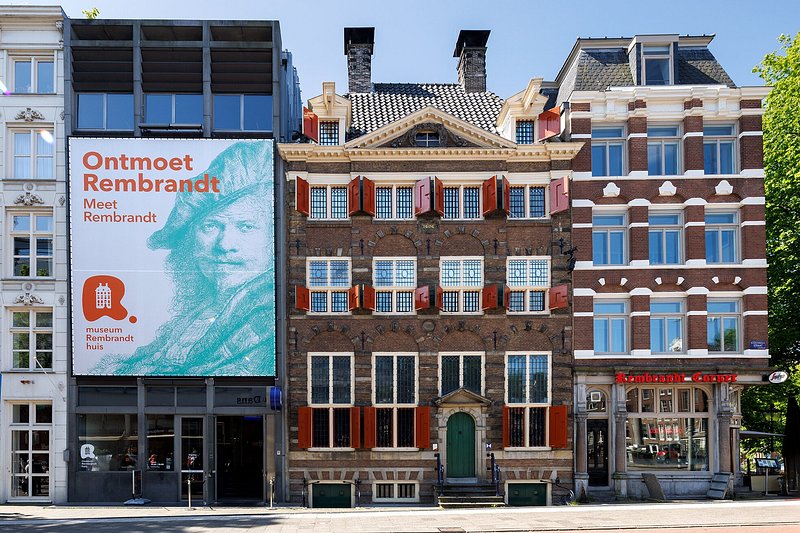
The genius of the Dutch Golden Age lived here for nearly 20 years—from 1639 to 1658. It was here that he painted some of his most famous works, including *Portrait of an Old Man in Red* and *A Woman Bathing in a Stream*. Rembrandt was eventually forced to leave due to financial difficulties; the renowned artist was also an entrepreneur, and ill-fated investments (particularly in maritime shipping) led to his bankruptcy.
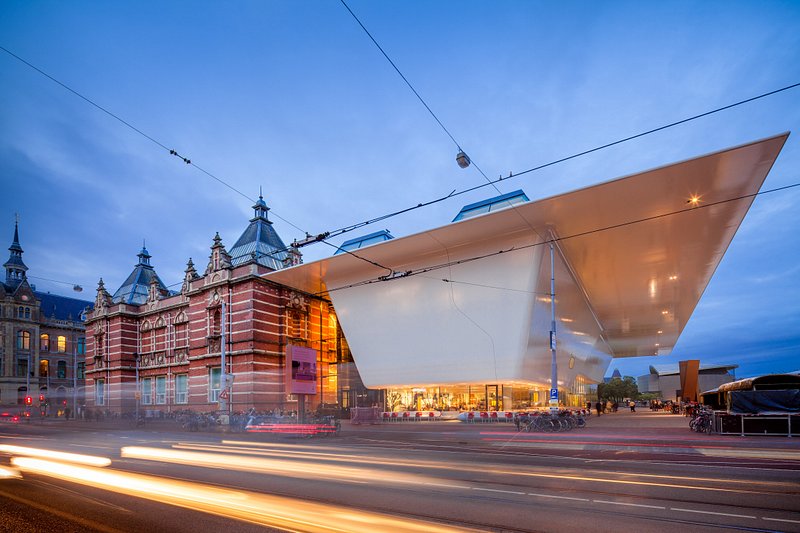
A major center for contemporary art and design located on the famous Museum Square, its collection spans the period from 1870 to the present day. The museum’s architecture is notable for the contrast between the historic 19th-century brick building and a futuristic white wing, distinguished by its characteristic "bathtub" shape. In addition to painting and sculpture, the museum is renowned for its extensive collection of industrial and graphic design.
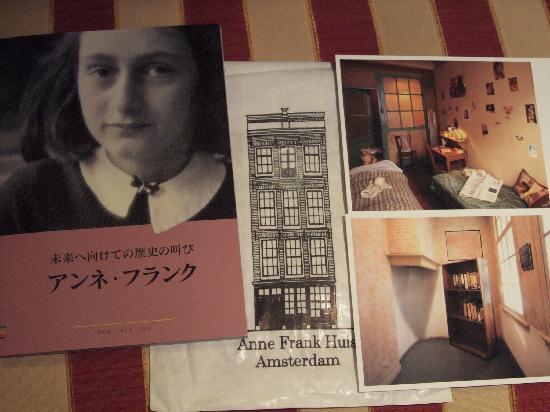
Anne Frank was a 15-year-old Jewish girl whose life was cut short in February 1945 at the Bergen-Belsen concentration camp. For over two years, she and her family lived in hiding in an Amsterdam house with a secret attic space. However, in August 1944, the Gestapo discovered the hideout, and Anne and her relatives were sent to Auschwitz. While in hiding, she kept a diary that was successfully preserved. After the end of World War II, this document—which stands as an indictment of Nazism—was published and translated into dozens of languages.
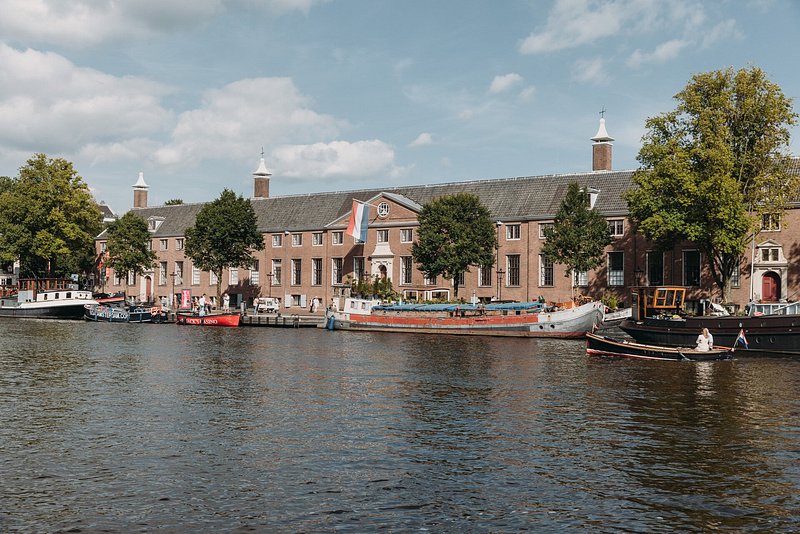
A vibrant cultural centre in the historic Amstelhof building on the banks of the Amstel. Exhibitions, educational programmes, concerts, and lectures. A quiet inner courtyard and Grand Café. A place of inspiration and cultural exchange in the heart of Amsterdam.
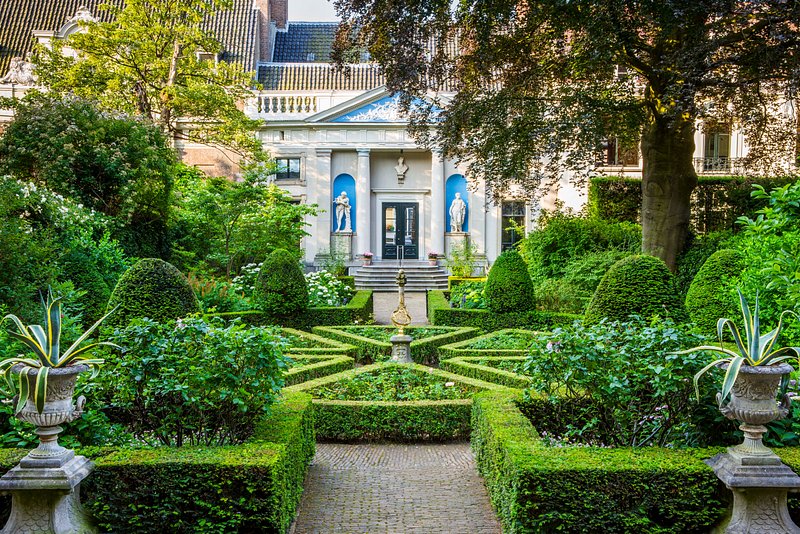
This is a magnificently preserved 17th-century mansion located on the Keizersgracht canal in Amsterdam. The museum offers a unique opportunity to glimpse the lives of the wealthy Dutch aristocracy from the inside: it is the only house in the city where the residence, garden, and stables have been preserved as a unified historical ensemble.
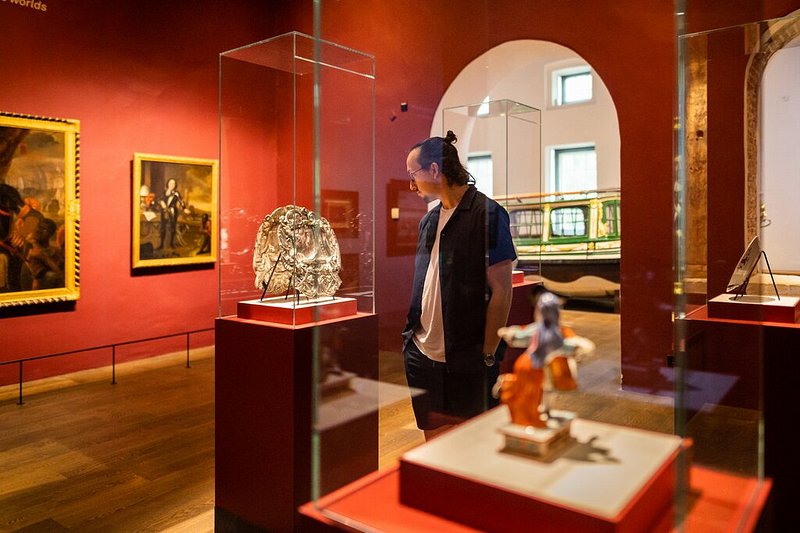
Since 1973, the National Maritime Museum of the Netherlands has been housed in a 17th-century Admiralty warehouse. Its main architectural highlight is the courtyard roof, added in 2011; the glass and metal structure echoes the outlines of compass roses found on antique maps. Inside, visitors can view ship models, navigational instruments, paintings, and a rare 16th-century globe.
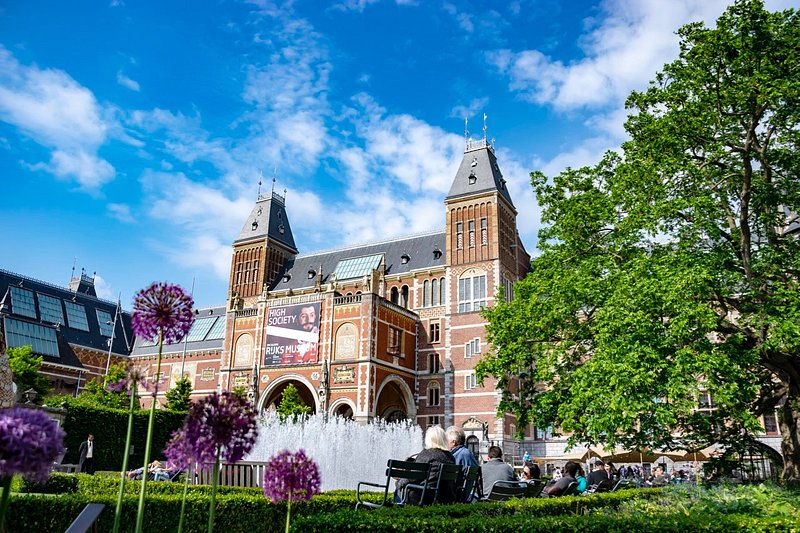
The country's largest art museum houses a collection of works by Dutch masters from the 15th to the 19th centuries. It was founded in 1800 by Louis Bonaparte, one of Napoleon's brothers.
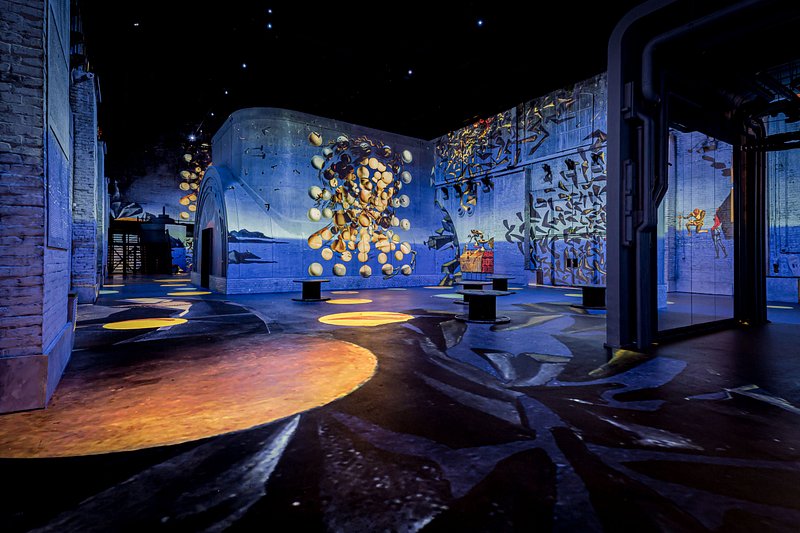
The largest digital art centre in Amsterdam’s former Westergas gasworks. An industrial space with 17‑metre walls, 100 projectors, and surround sound — masterpieces come to life across 3,800 m². A 60‑minute multisensory show blending history and technology.
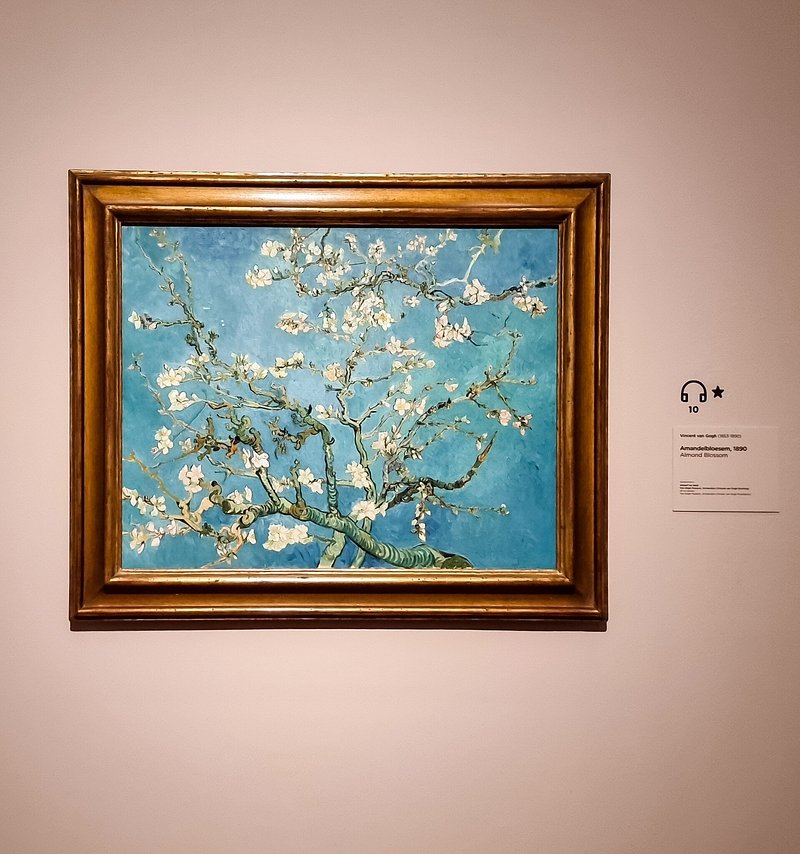
The world's largest collection of works by a key figure of Post-Impressionism: over 200 paintings and around 500 drawings. Here, you can also admire paintings by Van Gogh’s colleagues and contemporaries—Monet, Gauguin, and Signac.


